words by Malle Carrasco-Harris, PhD, photos by Melissa McMasters
Although we have felt hints of fall, we know we’re not out of the grip of summer just yet. So, how are you keeping cool? Are you staying inside during the warmest parts of the day? That’s behavioral thermoregulation, and just a part of life in the subtropical Memphis climate.
Thermoregulation is how lifeforms keep their inner temperature balanced with the outside. All living things have limits for being too hot or too cold and don’t want to be uncomfortable. Cellular processes – the wizardry that happens within all living things from bacteria to bears – are enzyme-driven. Enzymes are tiny structures made of proteins folded into unique and functional shapes, sort of like origami cranes and planes. They have specific jobs that require them to be their designated shape. When enzymes get too hot, they can start to unfold and they can no longer do their job. Nobody wants a crinkly crane.
Here are a few strategies plants and animals use to keep cool in the dog days of summer.
Behavioral Thermoregulation
Along with cranking the AC, humans also thermoregulate by holding their arms away from their body (on your hips, for example) or walking on the shady side of the street. In warmer parts of the world, there are often extended midday breaks, commonly known as siestas.

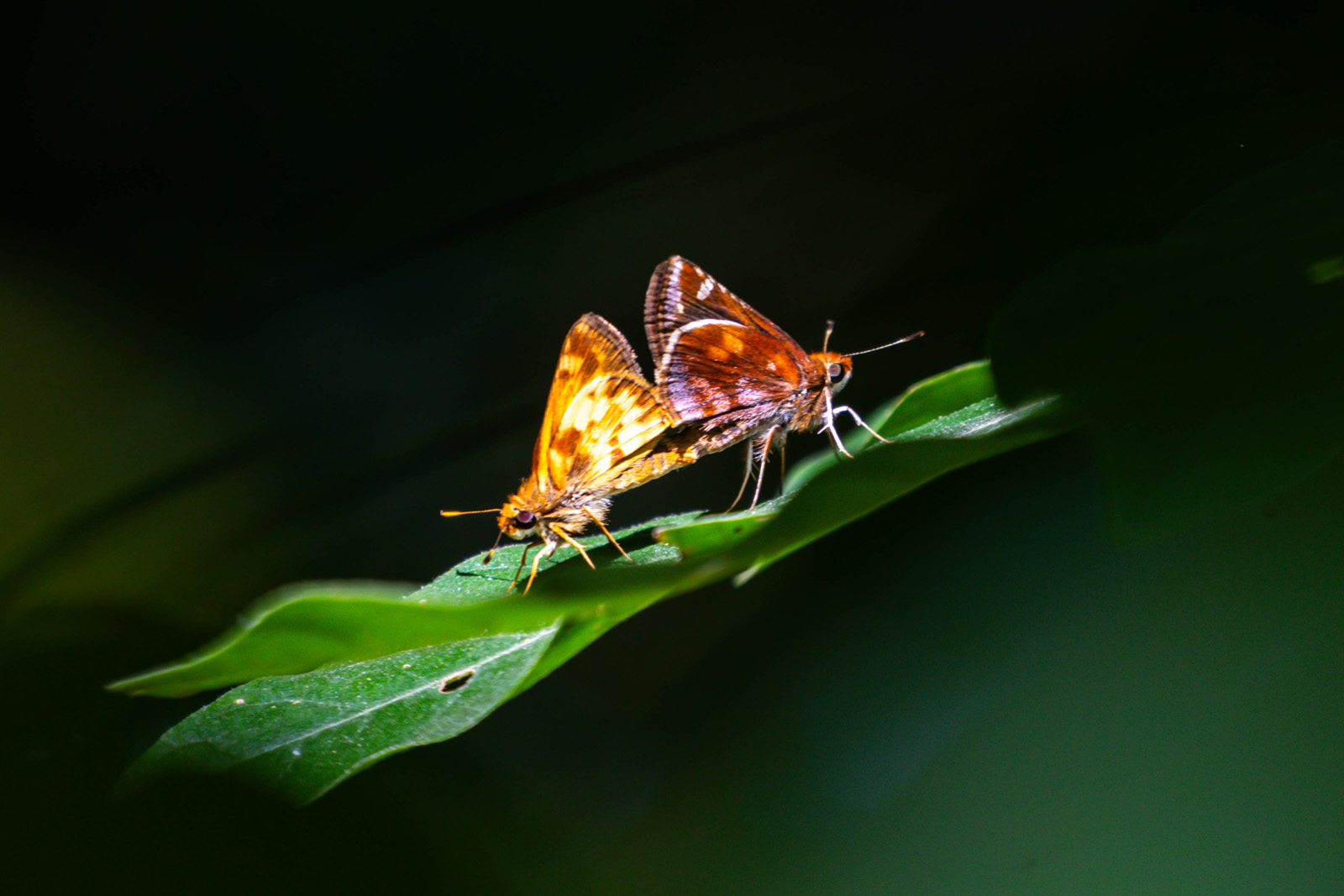
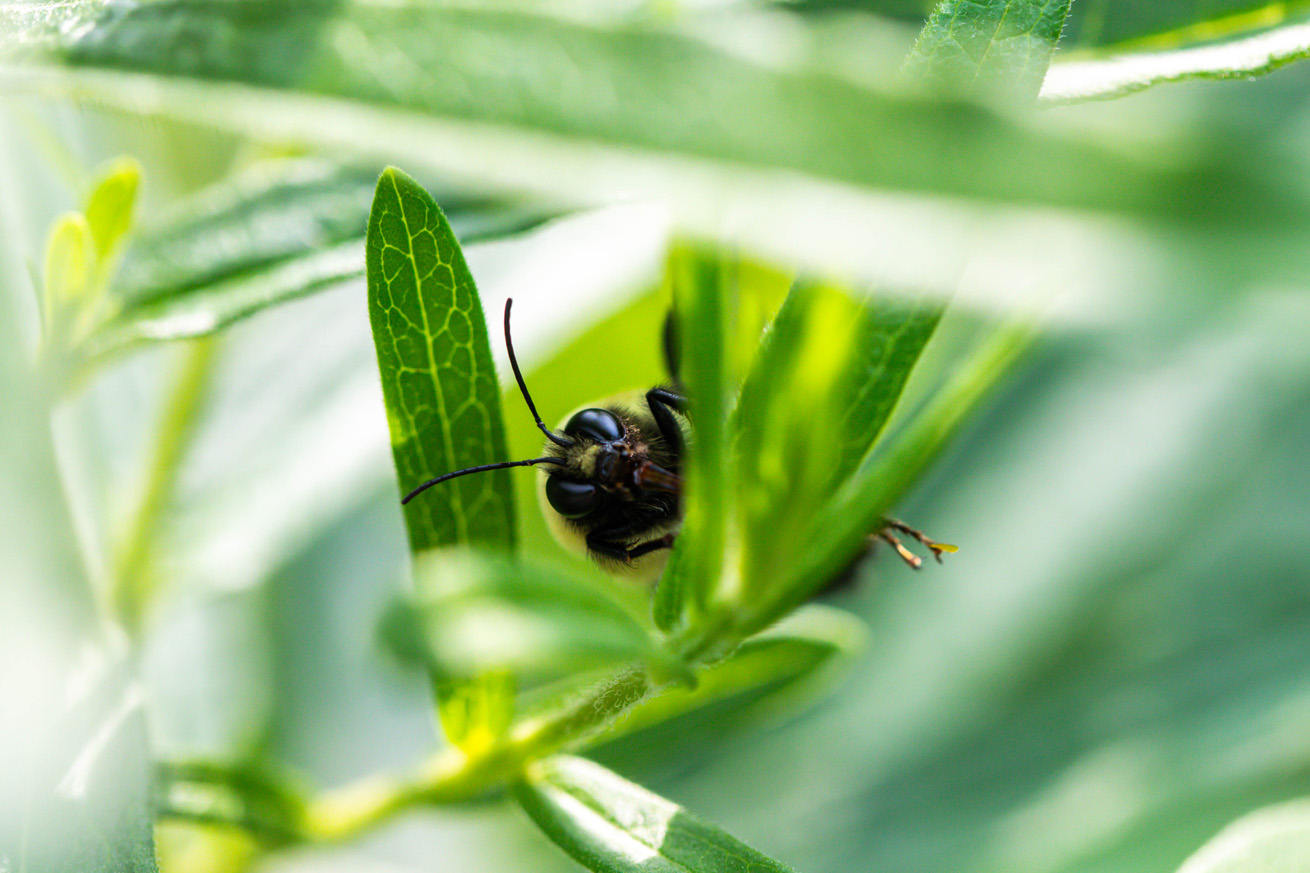
Animals do a variation of these behaviors, too. Birds will perch with wings slightly away from their body or squirrels may sploot on cooler surfaces like shady limbs to get rid of extra heat. An overheated bee may cool off underneath a leaf; a butterfly might rest with its wings tented up, reducing how much sunlight hits the body.
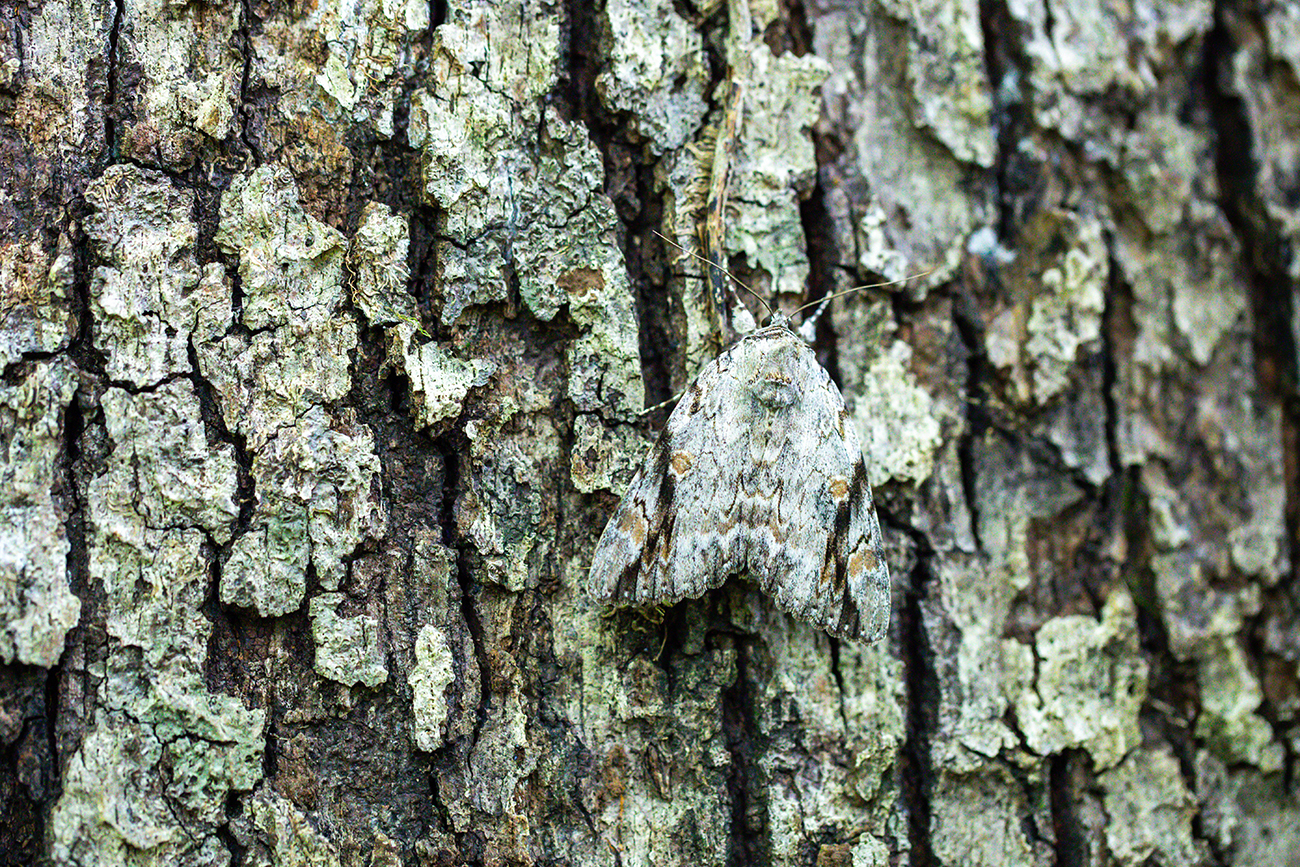
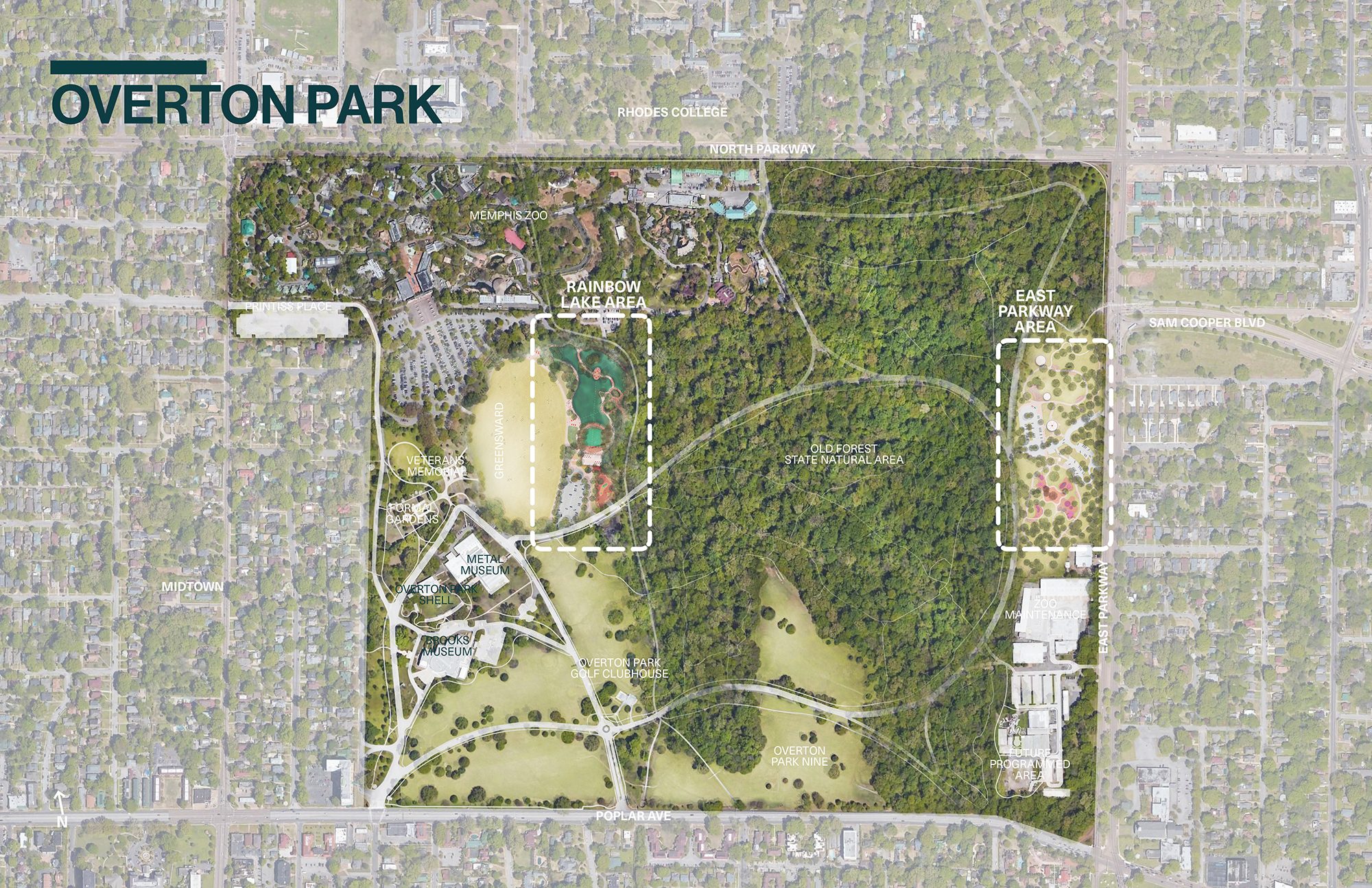
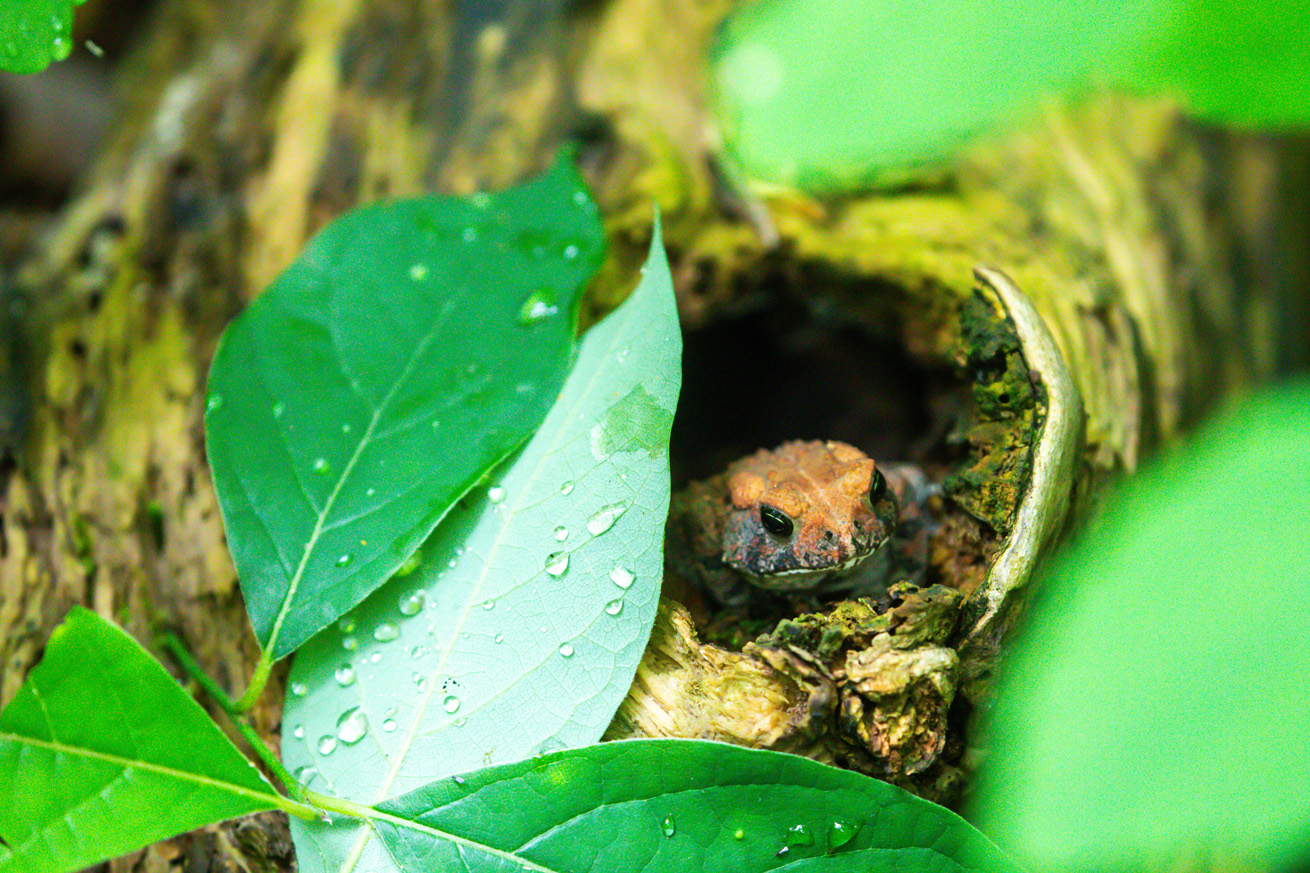
Venture into the Old Forest in the middle of the day and it’ll be eerily quiet as the animals rest, waiting for the cooler evenings and mornings to be more active. Some small animals, such as rodents, herps, and insects, are more likely to be active at night, tucking into shady parts of the forest such as the tree canopy or holes during the day.
You may have noticed some of your garden plants look wilted at the hottest part of the day. This is called paraheliotropism, where plants adjust their leaf angle and shape to minimize direct sunlight. Our silent giants in the forest are also keeping tabs on the heat: poplar and oak tree growth slows after July, just when the heat is getting to be the most intense.
Anatomical Thermoregulation
There are some thermoregulation techniques that you can’t control, like sweating (unfortunately). Most of our forest animals cannot sweat, but many use evaporative cooling by panting or keeping their noses moist. This allows warm blood from the body to be cooled as it passes through a network of small blood vessels known as the carotid rete, where it exchanges heat with the external cooler air. This helps prevent the brain from overheating during activity. However, this method is not nearly as efficient as sweating, especially on hot and humid days, so keep this in mind when taking Fido for an afternoon run.
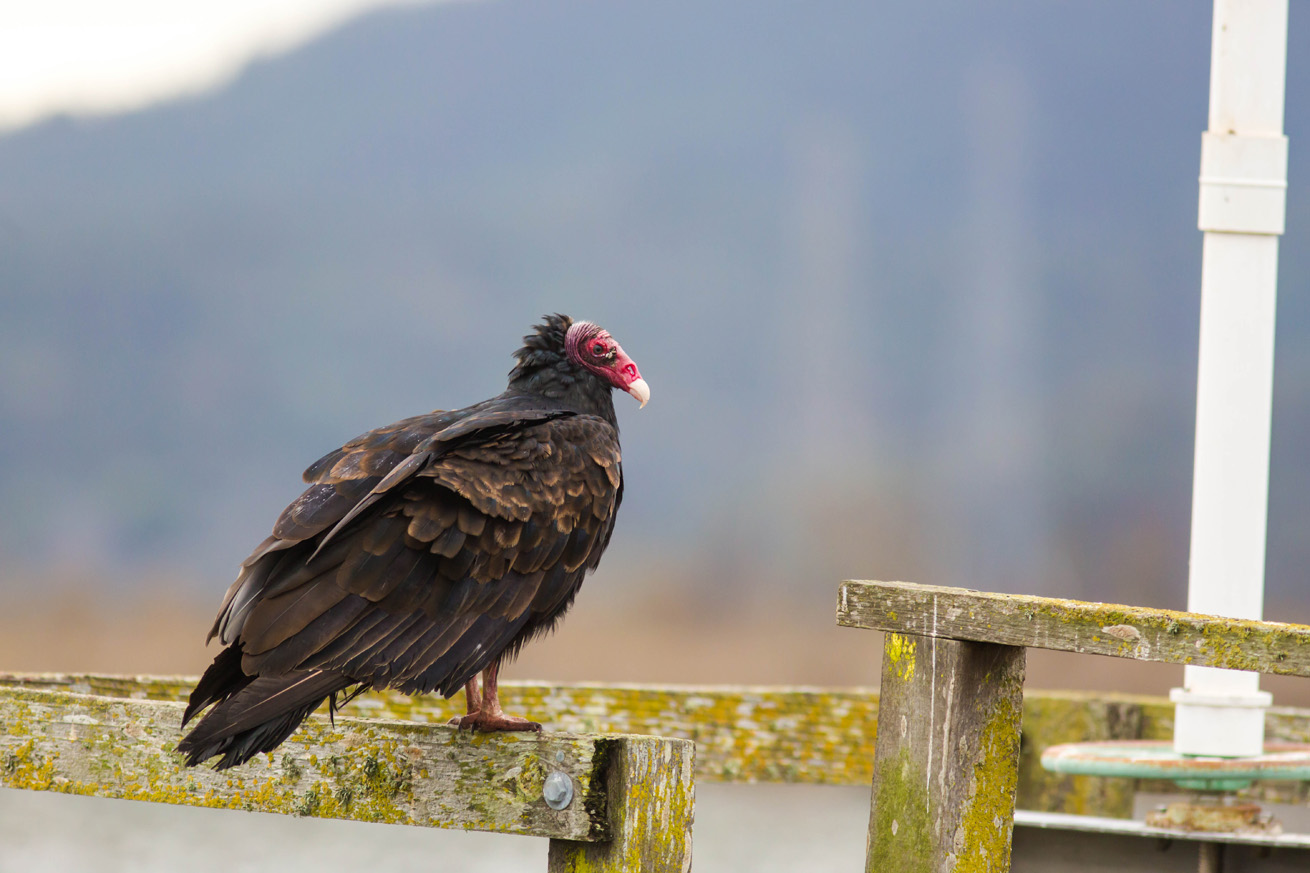
Speaking of “moist surfaces,” turkey vultures urinate down their legs, a process known as urohidrosis. This helps cool the blood that is circulating through their feet as it returns to the body.
Plants also cool off using an evaporative mechanism called transpiration, which is where water moves through the plant, exiting by way of the leaves. You can see this at home by putting a ziploc bag over some house plant leaves for an hour or so. After some time, you may see little droplets that have condensed in the bag.
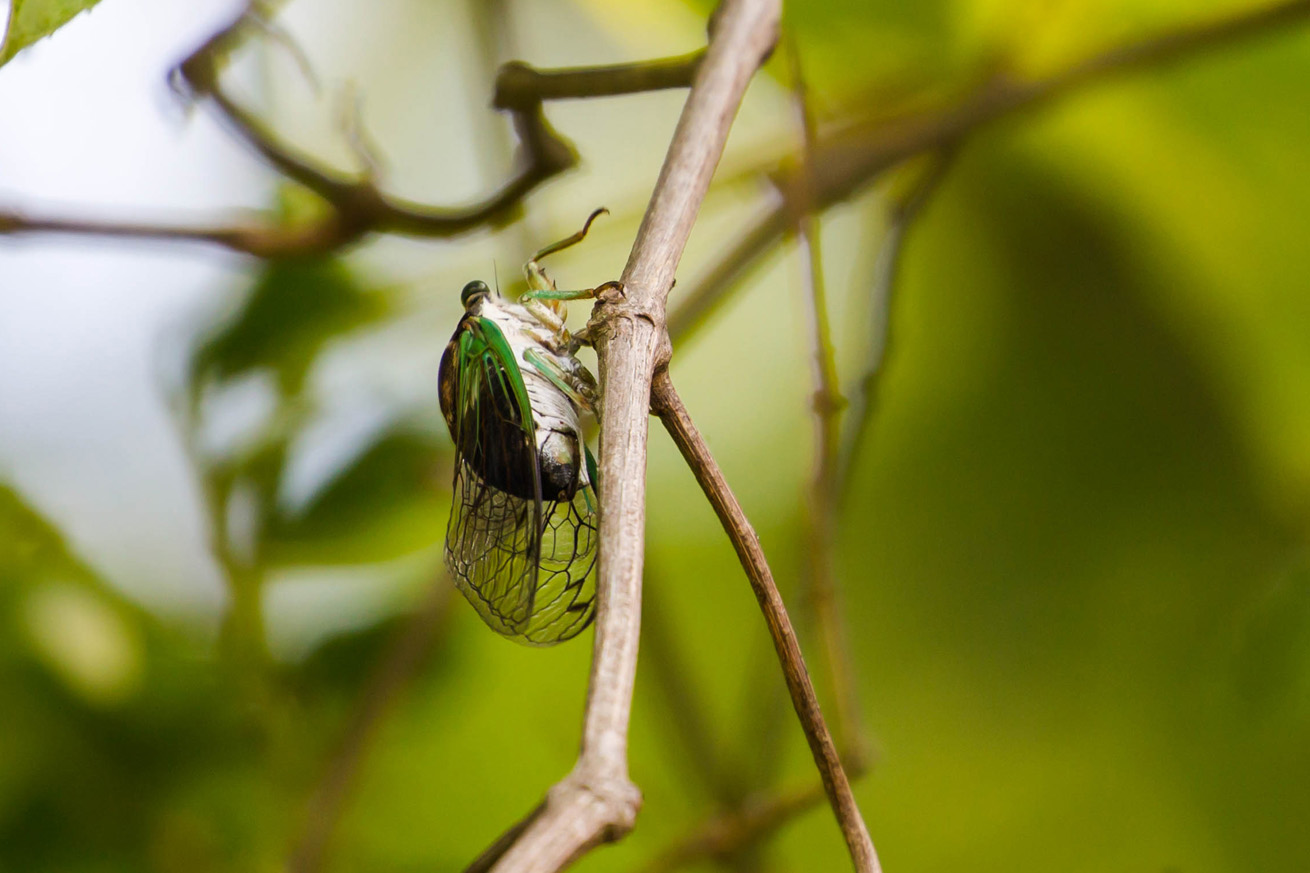
Cicadas use the power of deflection by turning on the branch and exposing their white belly undersides (not a technical term) to the sun instead of their dark backs. Then they can really tear into song!
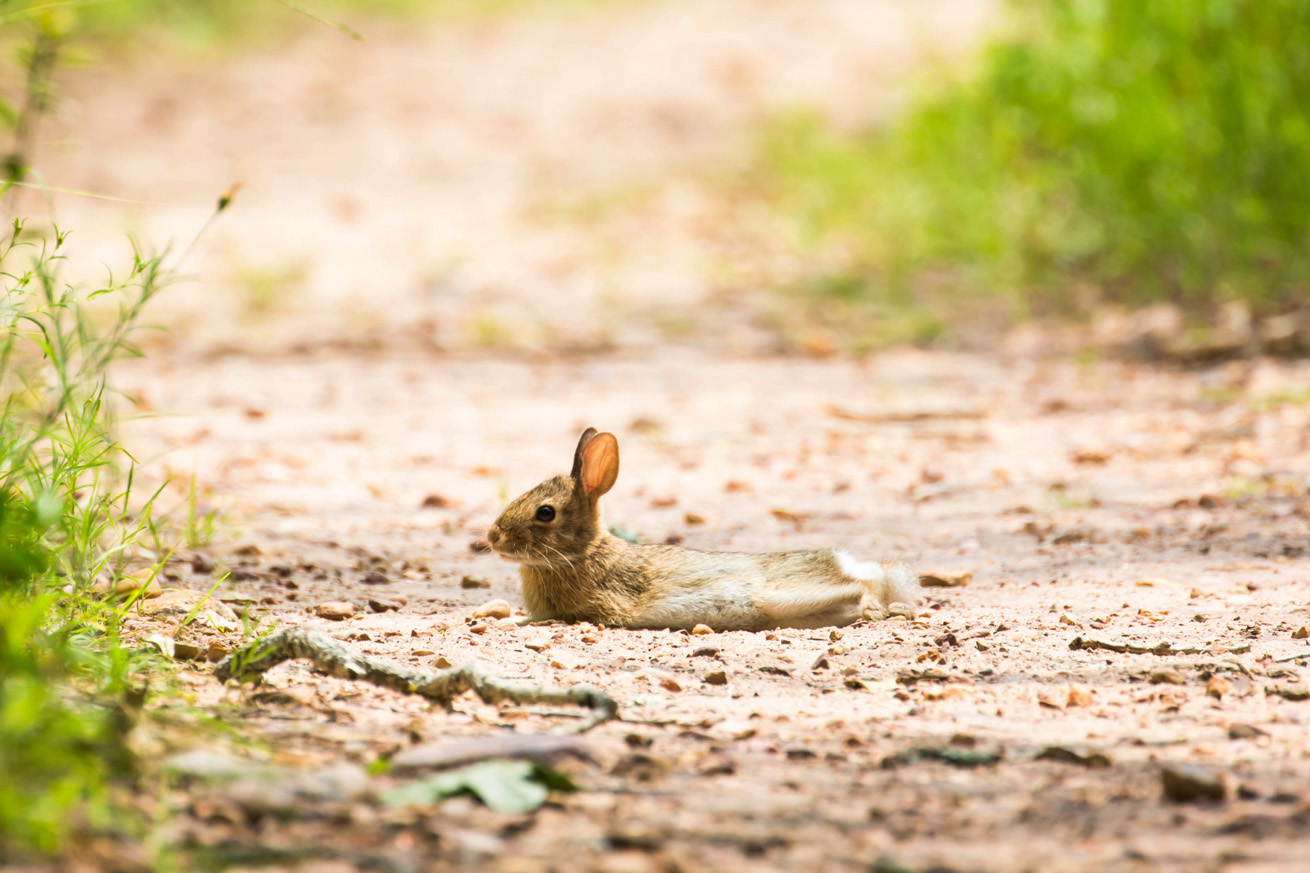
You may also notice your face getting a pink flush when you’re warm. That’s because of vasodilation – the expansion of blood vessels in our faces and limbs. Bunnies with their large veined ears are probably a go-to animal example, but did you know birds can also lose heat through their highly vascularized bills and legs? When it gets cooler, they actually try to cover up their legs and bills to keep warm!
Physiological Thermoregulation
Imagine you’re walking in the Old Forest on a crisp 50˚F day in March when all of a sudden a time warp opens up and you fall into July. You’d feel extremely uncomfortable! Wrong attire aside, your body would not have had the opportunity to acclimatize to the heat. You don’t have enough blood plasma volume and have not produced adequate heat shock proteins.
Remember our origami enzymes? Heat shock proteins are like gentle hands that help refold the crane and keep others from crowding. These special proteins have been found in all lifeforms studied, suggesting they have an incredibly important role, and the amount animals and plants have varies between the seasons.
Since our oaks and poplars can’t move to shade, they have loads of different types of these helper proteins. In fact, for about every 5 types of heat shock proteins humans have, plants can have 20 or more!
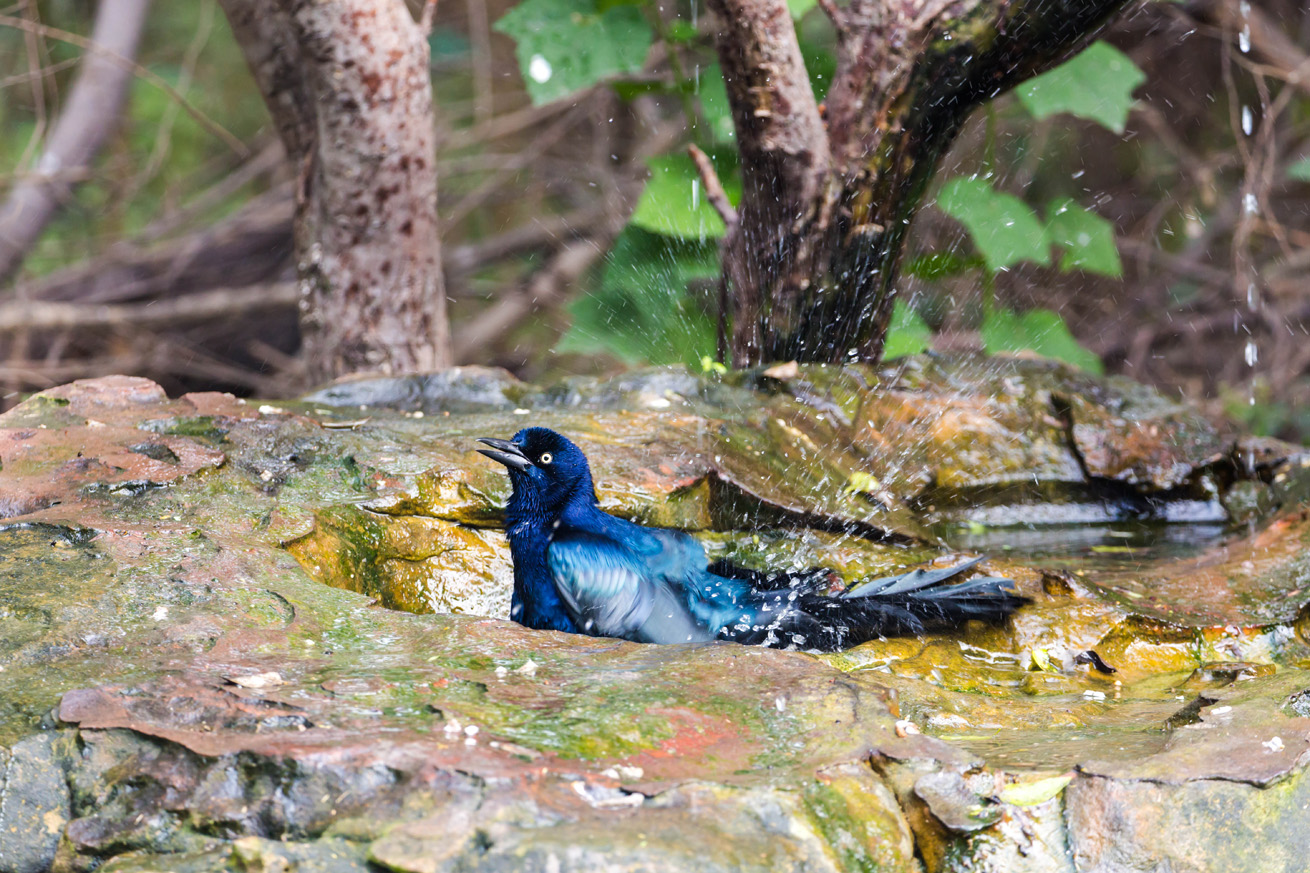
Now that you know a bit more about how humans and other living beings beat the heat, here are some tips for helping out the creatures around us. First, help them stay hydrated! Consider providing a moving water source, like a bubbling bird bath or fountain. This can drastically improve the quality of life for our local wildlife, especially during dry seasons. Include rocks or sticks so smaller birds can drink without the risk of drowning.
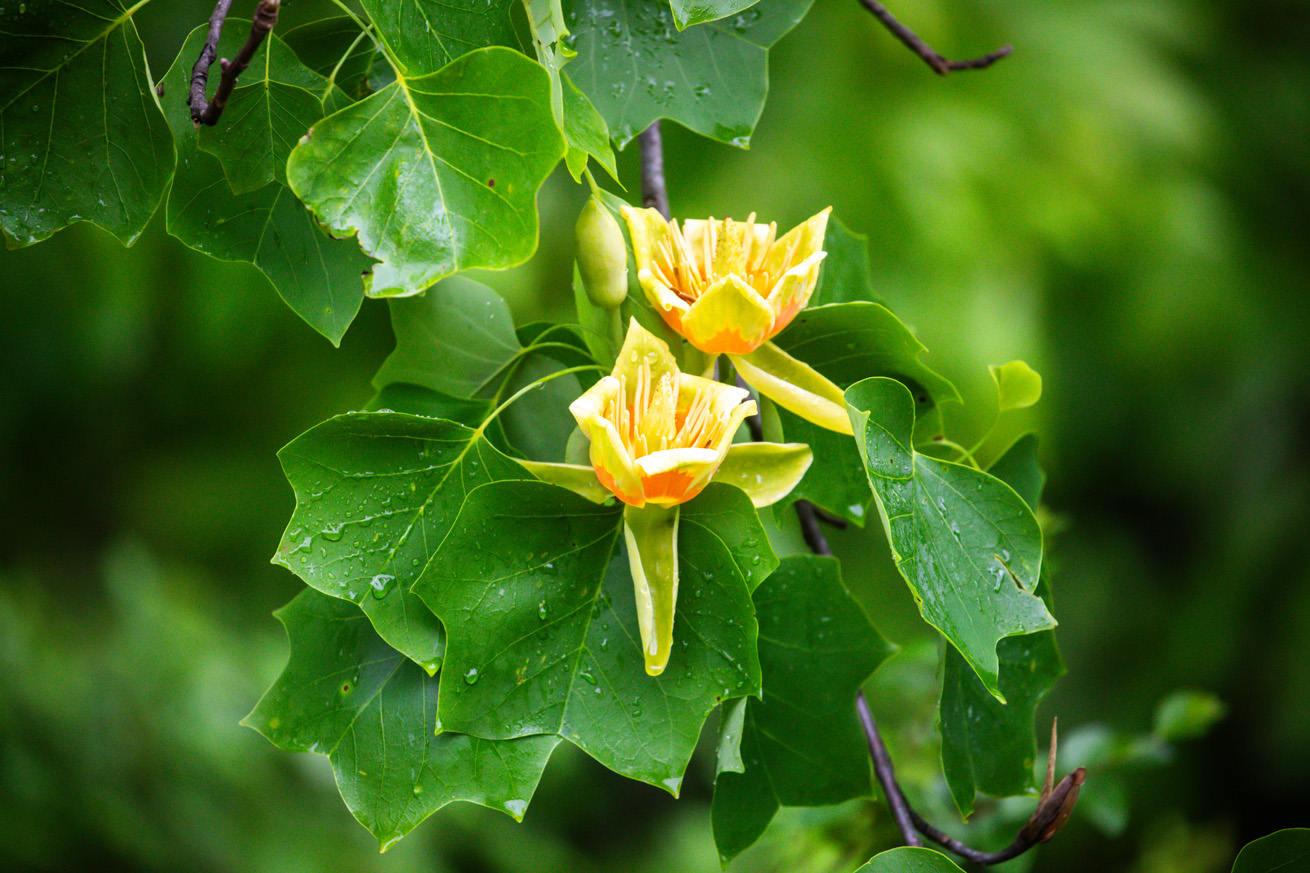
For a cooling strategy that pays real dividends, plant native plants, especially trees, that not only provide a natural food source but also a place of shade for wildlife. Planting a tree today is also an investment in the future of Memphians, as the shade they provide over homes can reduce energy consumption. Nature has many tricks to keep cool, and we can learn a lot by taking that advice!