words and photos by Melissa McMasters
‘Tis the season for the year in review: best books and movies, most-played songs, which New Year’s resolutions lasted the longest. For me, the most exciting look back is my iNaturalist Year in Review, which employs a variety of colorful charts to tell me how many observations I made, species I saw, and what types of wildlife I observed the most. This year I was particularly intrigued by the “Newly Added Species” section, which displays the species you added to iNat for the first time in any given month.
I love a lifer, and I was curious to see whether I’d recorded at least one new species in each month this year. While some months, when I traveled far away, held 100 or more new species, there were others where the pickings were slim. But I did manage to achieve this goal that I didn’t know I had. Call it a retroactive resolution.
I thought I’d pick out my favorite lifer from each month this year and share a little about each one with you. Cue the “Auld Lang Syne.”
January: Puerto Rican Tody
My colleague Kim and I kicked off the year by visiting Puerto Rico to look for endemic birds (and bioluminescent dinoflagellates, which look incredible in real life but do not photograph well!). The adorable prize was the Puerto Rican tody, a chunky little bird that jumps with its bill pointed upward to catch insects and flits to another branch to eat them. We first spotted it as a silhouette in the rainforest, where it perched for a while, but my eyes steadfastly refused to focus on it no matter how specifically Kim described its whereabouts. Later in the trip, on a quiet trail in the mountains, this one chilled for nearly half an hour and let us appreciate it thoroughly.

February: Phlebiopsis crassa
At first, I thought I had missed out on getting a February lifer and was going to cheat and use one of the many attractive creatures I saw in Belize in early March. But no, no, out of the ashes of winter emerged a fungus that looks like a child has crayoned a piece of lumber. This crust fungus, whose genus means “vein-like in appearance,” colonizes recently-dead trees, and was spreading all over one that had fallen across the Old Forest Loop and needed to be cut to reopen the trail. Initially I thought it was gum. I’m pretty sure this represents the pinnacle of my photographic skills.

March: Ocellated Turkey
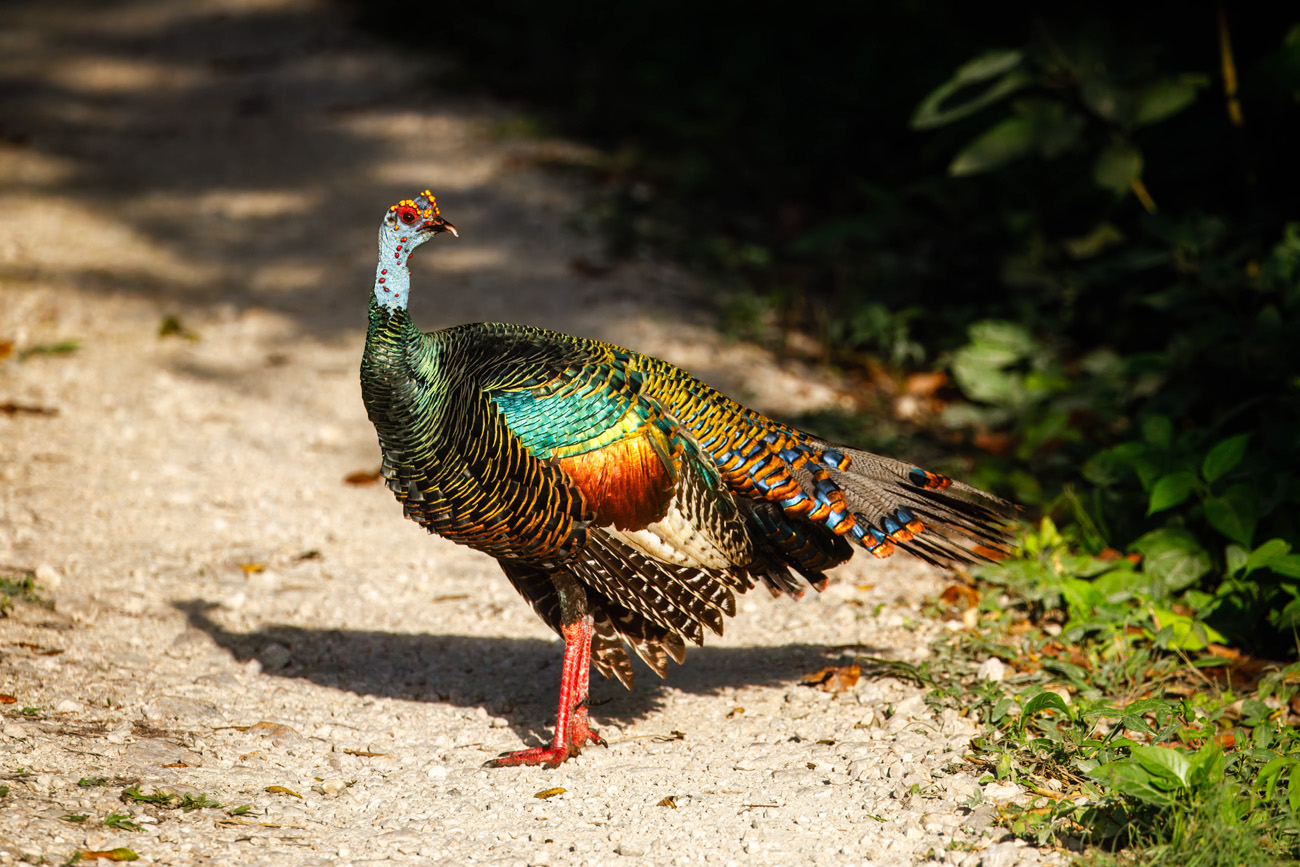
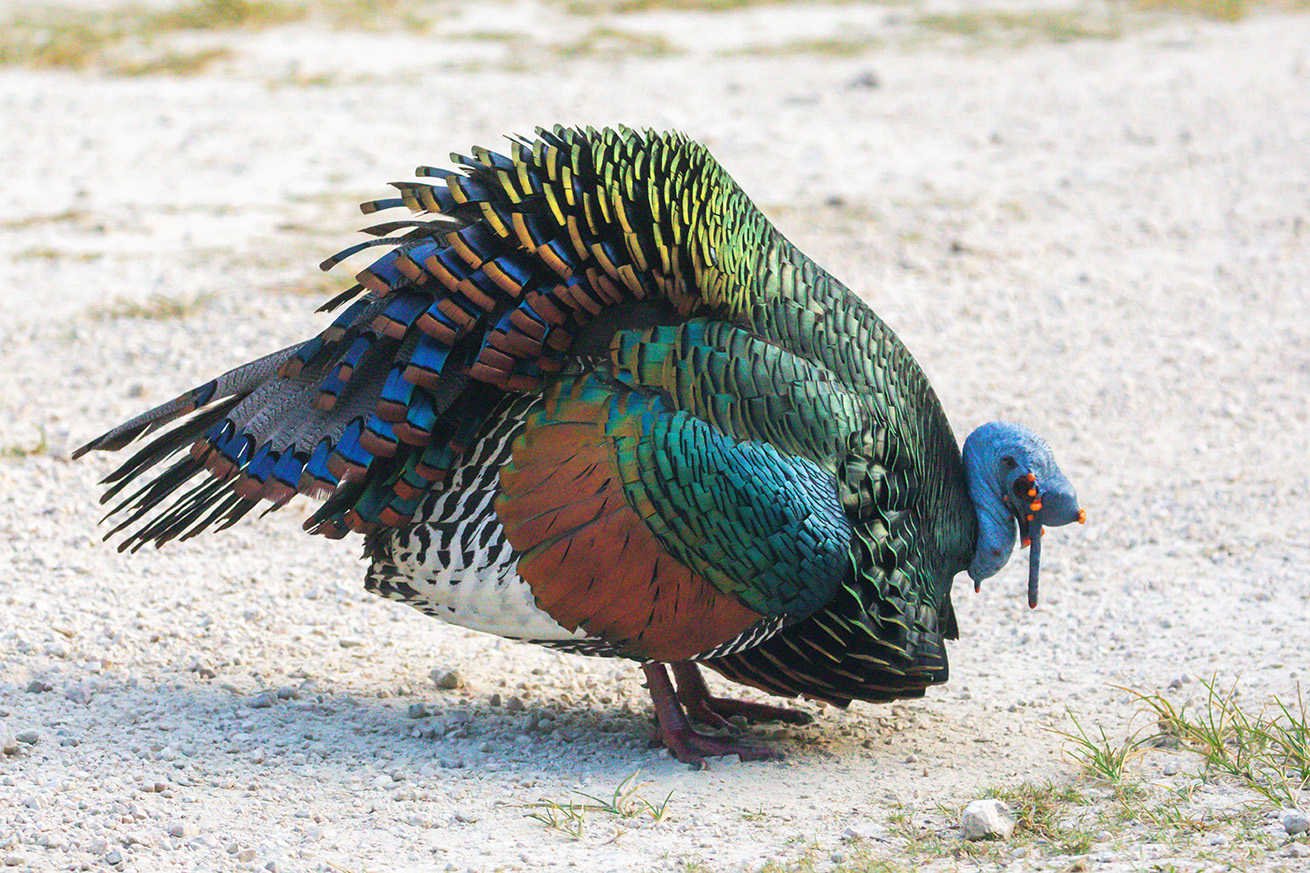
The world has but two kinds of turkey: the wild turkey that Benjamin Franklin famously called more honorable than the cowardly bald eagle, and the ocellated turkey of the Yucatán Peninsula, Belize, and Guatemala. This is one of the more delightful and bizarre birds I’ve ever spent time with. The area where I saw them on a Naturalist Journeys tour is a protected nature reserve, so this population had very little wariness around humans. The turkeys were everywhere at all times, hanging around park benches and fire pits and roosting in trees, making their bass-heavy booming call. My favorite thing about them is how, depending on the light and their posture, they either look like a resplendent rainbow…
…or Charlie Brown after realizing he hasn’t been invited to the Christmas party.
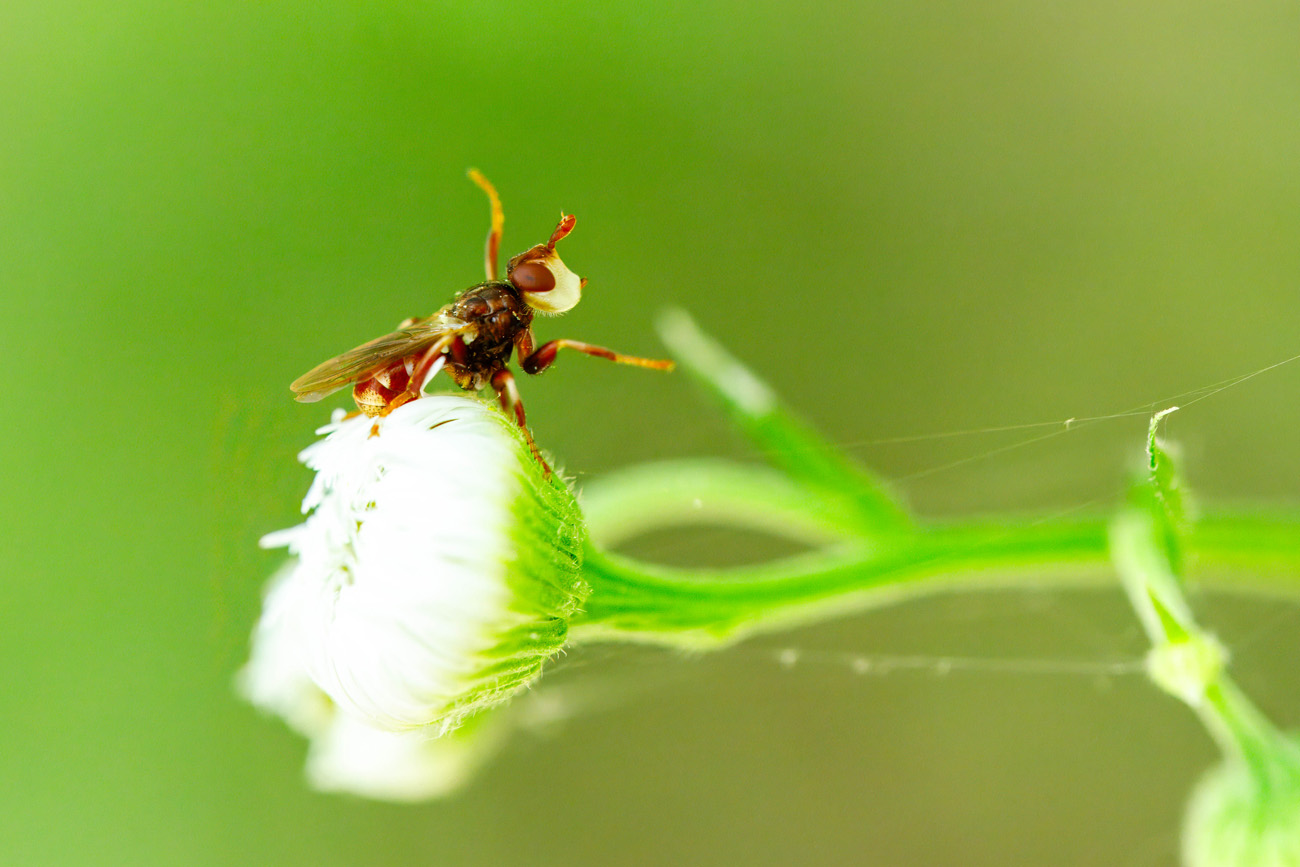
April: Myopa clausa
While walking in the Old Forest on a cloudy afternoon, my eye caught a slow, methodical motion atop a fleabane flower. It was a male bee-grabber fly doing what looked like Warrior 2 yoga poses, lifting both of its front legs in turn. This may have been a mating display, as these flies like to wave at the ladies. The ladies, for their part, like to catch solitary bees in the air, lay eggs in their abdomens (while still in flight!), and use them as incubators for their children. Yoga has taught these flies nothing about peaceful interaction.
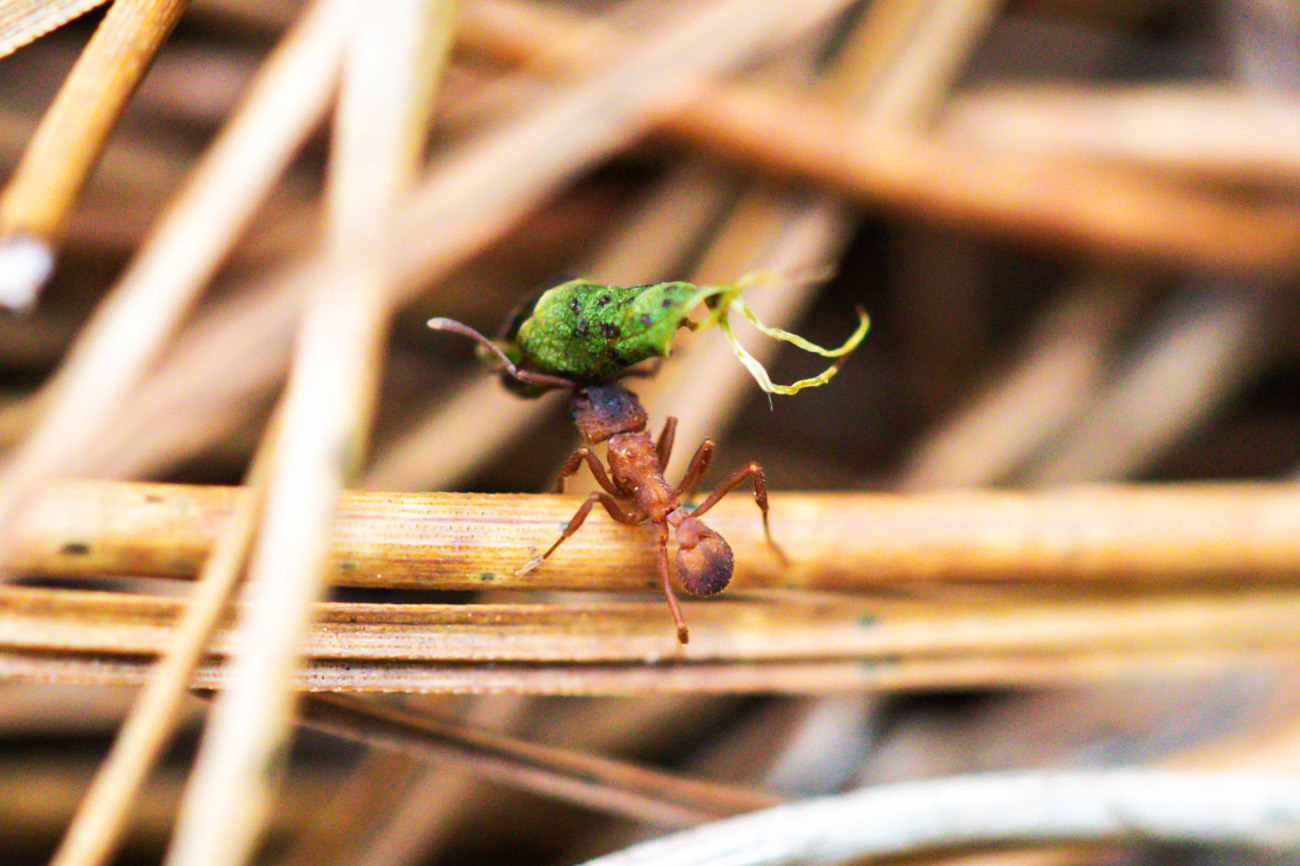
May: Northern Fungus-Farming Ant
A nice portion of this year’s lifers came from my habit of haunting the Veterans Plaza pollinator garden on most days. That’s where I learned about these ants, which use their mandibles to cut bits of leaves and carry them back to underground nests. As the leaves decay, they grow fungus that the ants use as their sole food source. I think it’s so neat to imagine ants tending their little fungus gardens underground while we walk above.
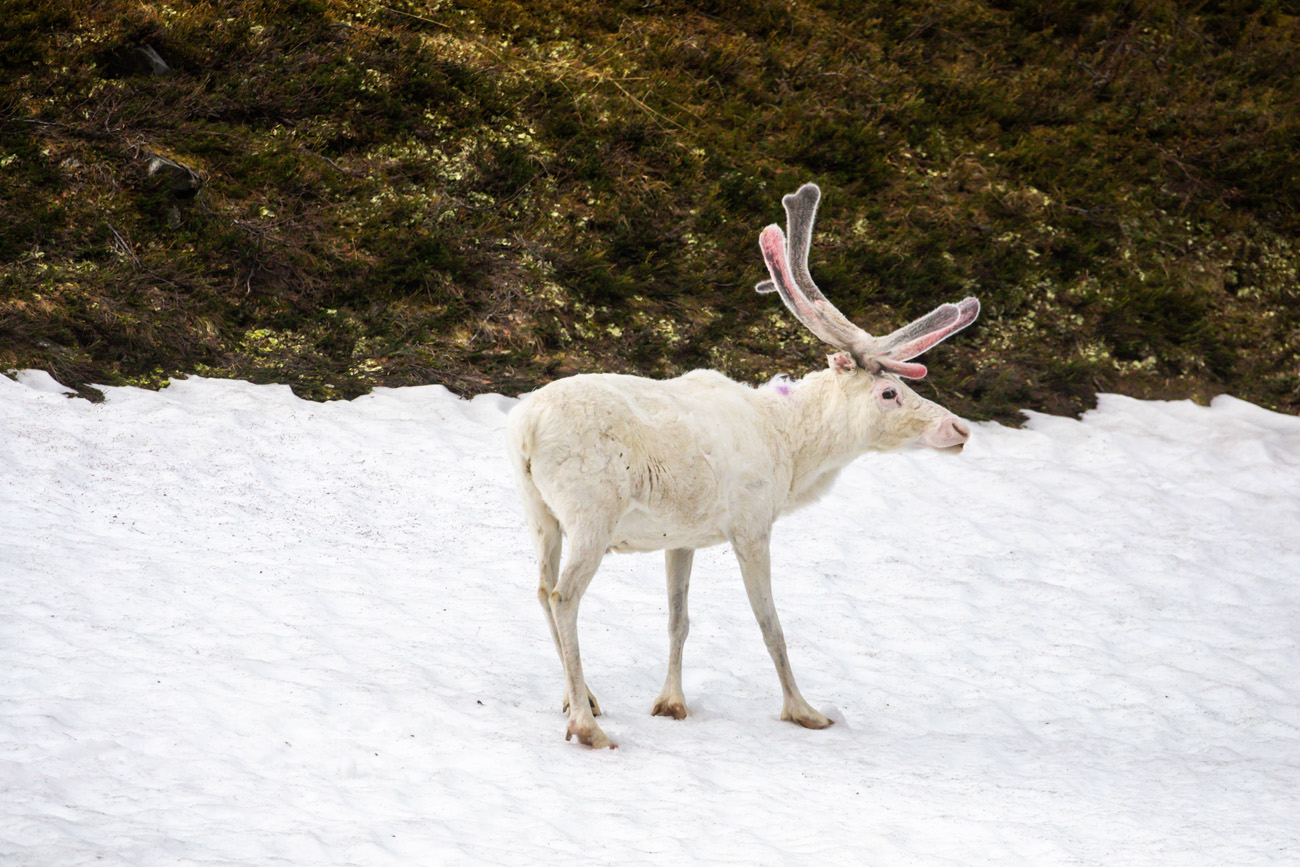
June: Reindeer
In June I took a trip with Mariposa Nature Tours above the Arctic Circle to look for the specialty butterflies that call the extreme north home. Between the bold fritillaries, luminescent blues, and whites that shaded into dark gray, the butterflies were incredible. But I’d be lying if I said I wasn’t most charmed by the roadsides full of reindeer. One morning as we made our way from Norway into Sweden, we saw a small group standing close to the road and paused our pursuit of butterflies to watch them for a few minutes. (The Arctic: bringing you snow fields and wildflower fields in equal measure!) I assumed white reindeer were somewhat rare, but the hotel staff giggled when I asked about it; indeed, we later passed a group of several dozen and there were quite a few white individuals dotted amongst the darker ones.
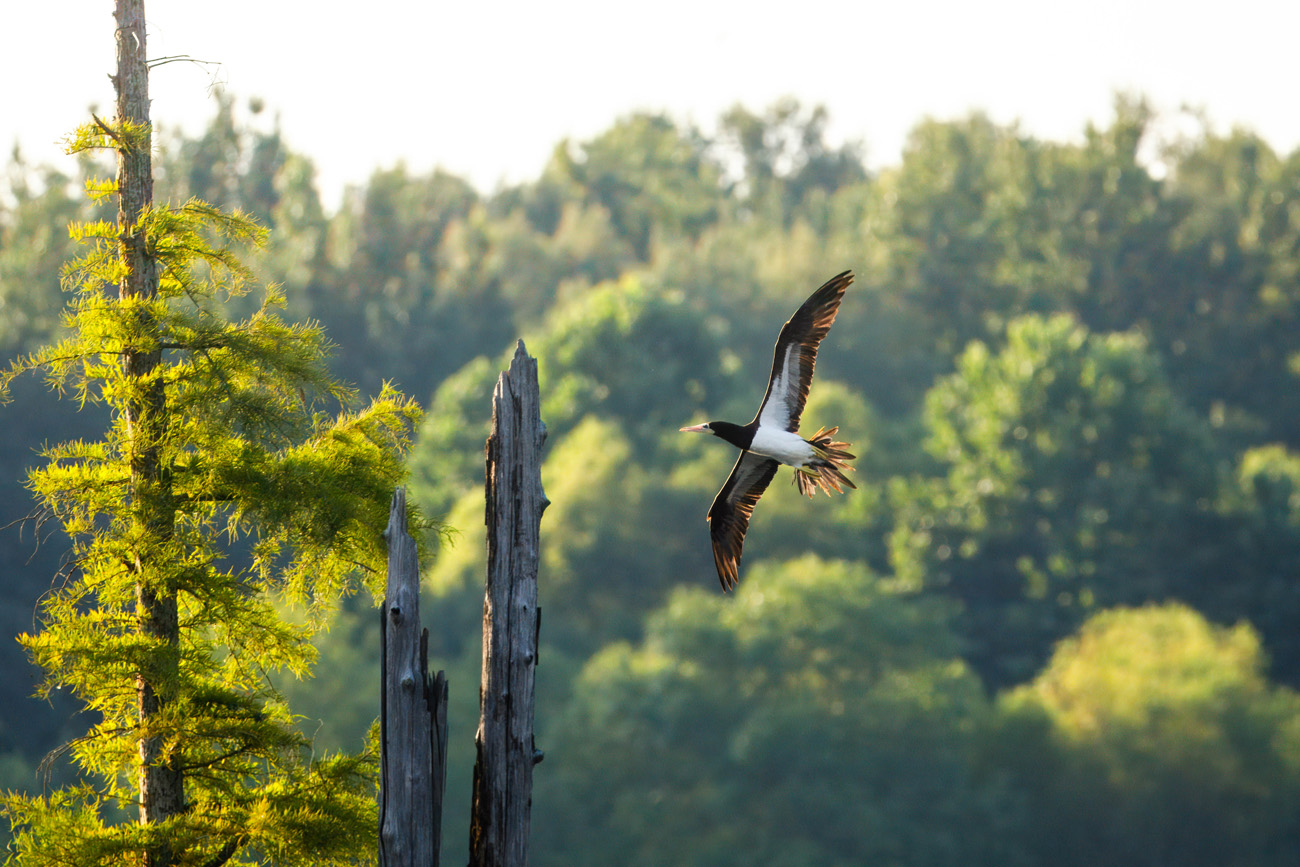
July: Brown Booby
Summer in the South is not the most common time to see vagrant birds. That’s more likely during migration or in winter, when Weird Duck Time is upon us. But this year there were reports of a tropical seabird hanging out in the Hatchie National Wildlife Refuge in Stanton, Tennessee. At under an hour from Memphis, this seemed like a reasonable expenditure of time for a potential lifer. So off I set on a Monday after work, and found this character diving among the cypress trees alongside egrets and cormorants. Brown boobies sometimes stray inland and wind up at freshwater lakes where fish are abundant, but they nest only on tropical islands and spend most of their time hunting in the ocean.
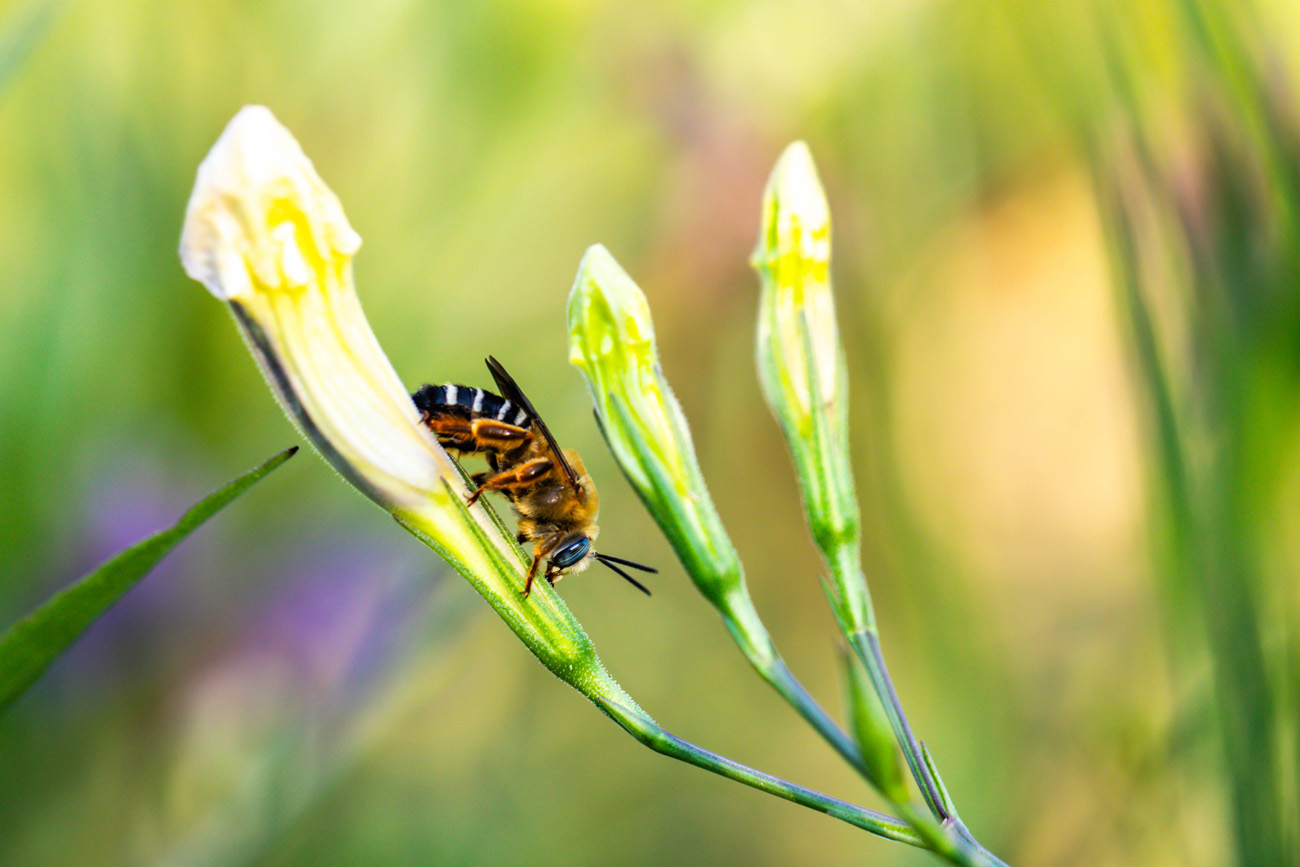
August: Epimelissodes comptus
In the brutal heat of August, the pollinator garden was invaded by flying teddy bears! Like the bees that flock to the Old Forest in the spring to feed on ephemeral wildflowers, this long-horned bee specializes on the pollen of evening-primroses. We had two primrose plants in the pollinator garden, and these bees knew exactly where to go. Interestingly, during the daytime when the primrose flowers were closed, I would catch the bees nectar-robbing from Mexican petunias. Petunia pollen is useless as it does nothing to feed their offspring, but the adults still needed a drink on a hot day!
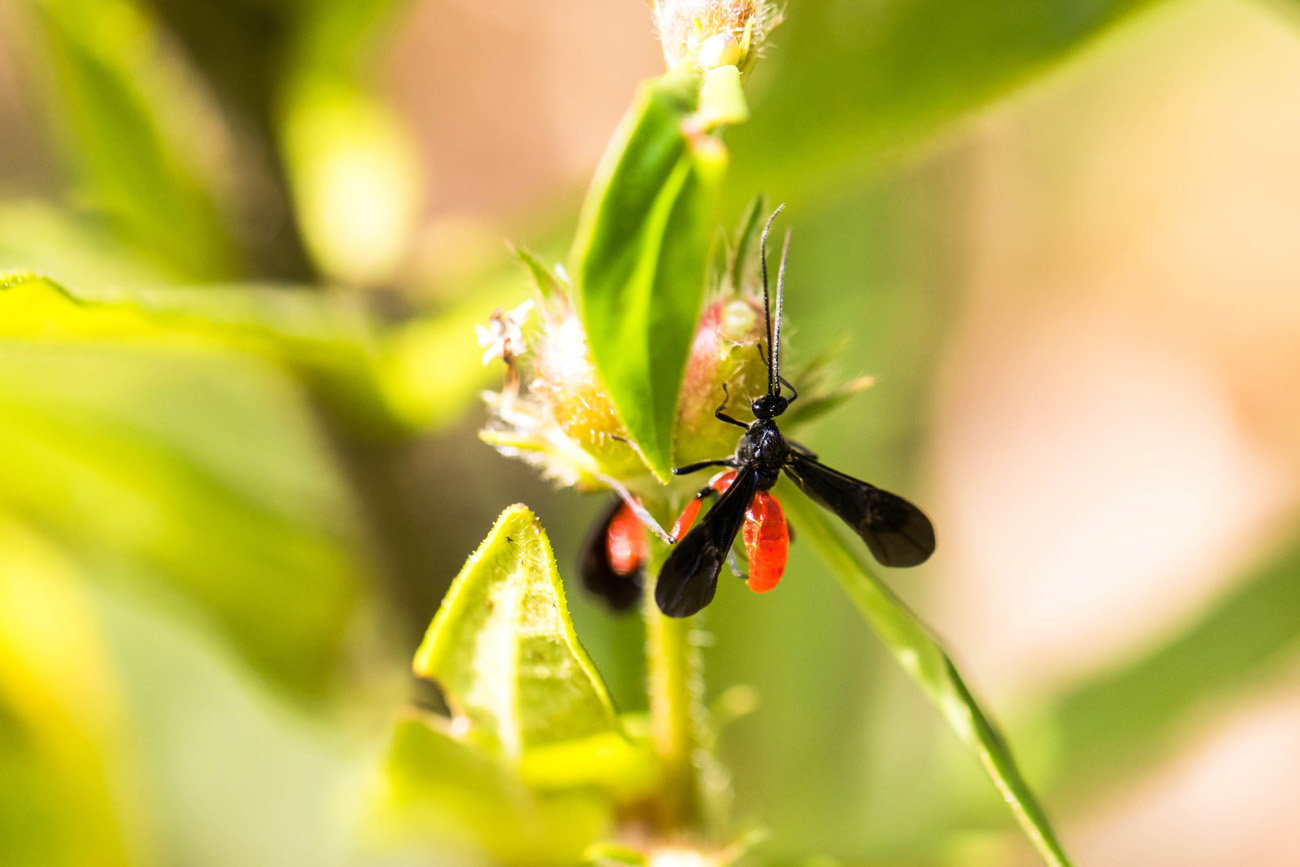
September: Alabagrus texanus
September brings us back to the pollinator garden, where some strikingly colored braconid wasps were dancing around flower stems in the midday sunshine. These wasps lay their eggs in the caterpillars of snout moths, of which Fields and I recorded 10 different species this summer. (Our final total for the Vets Plaza garden this year? 424 species, a huge jump from last year’s 271. If you plant it, they really will come.)
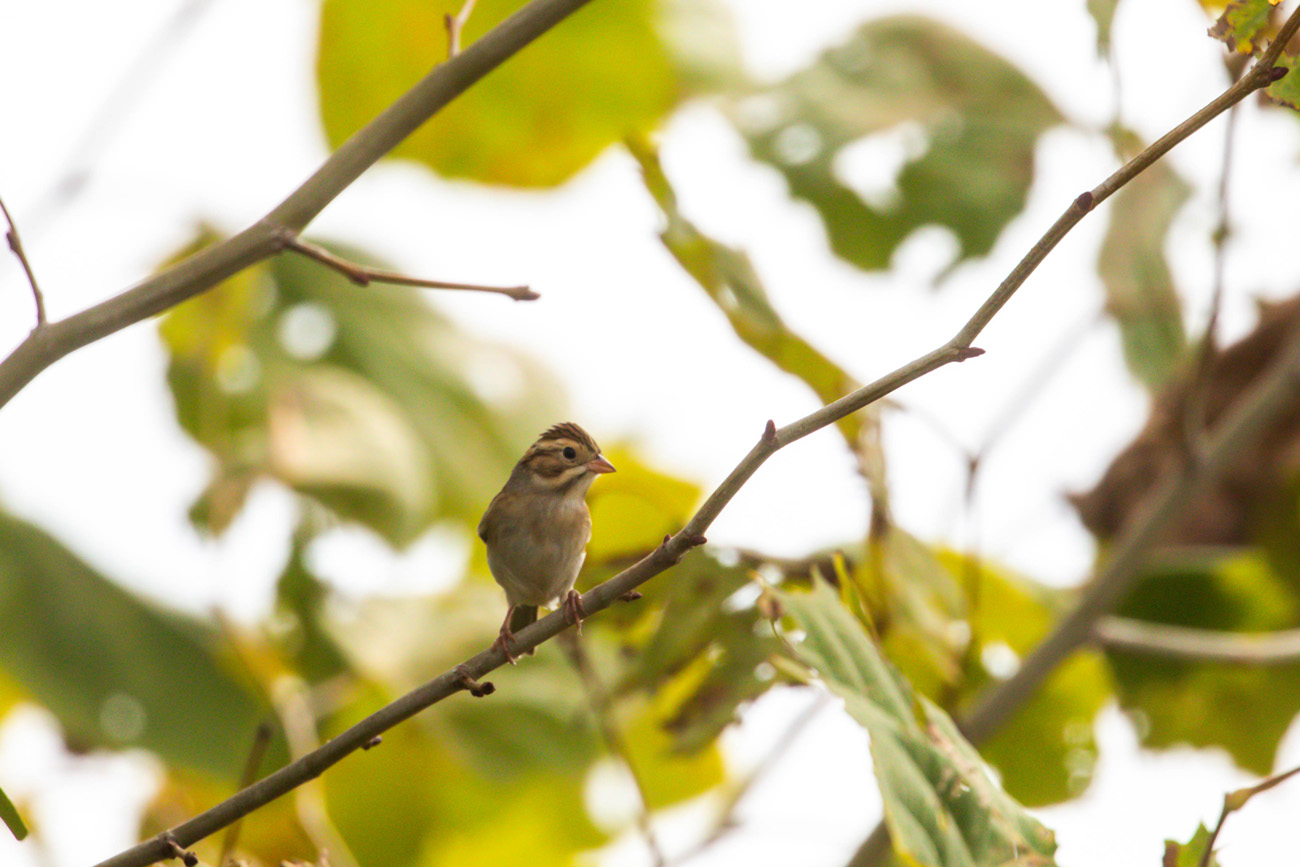
October: Clay-Colored Sparrow
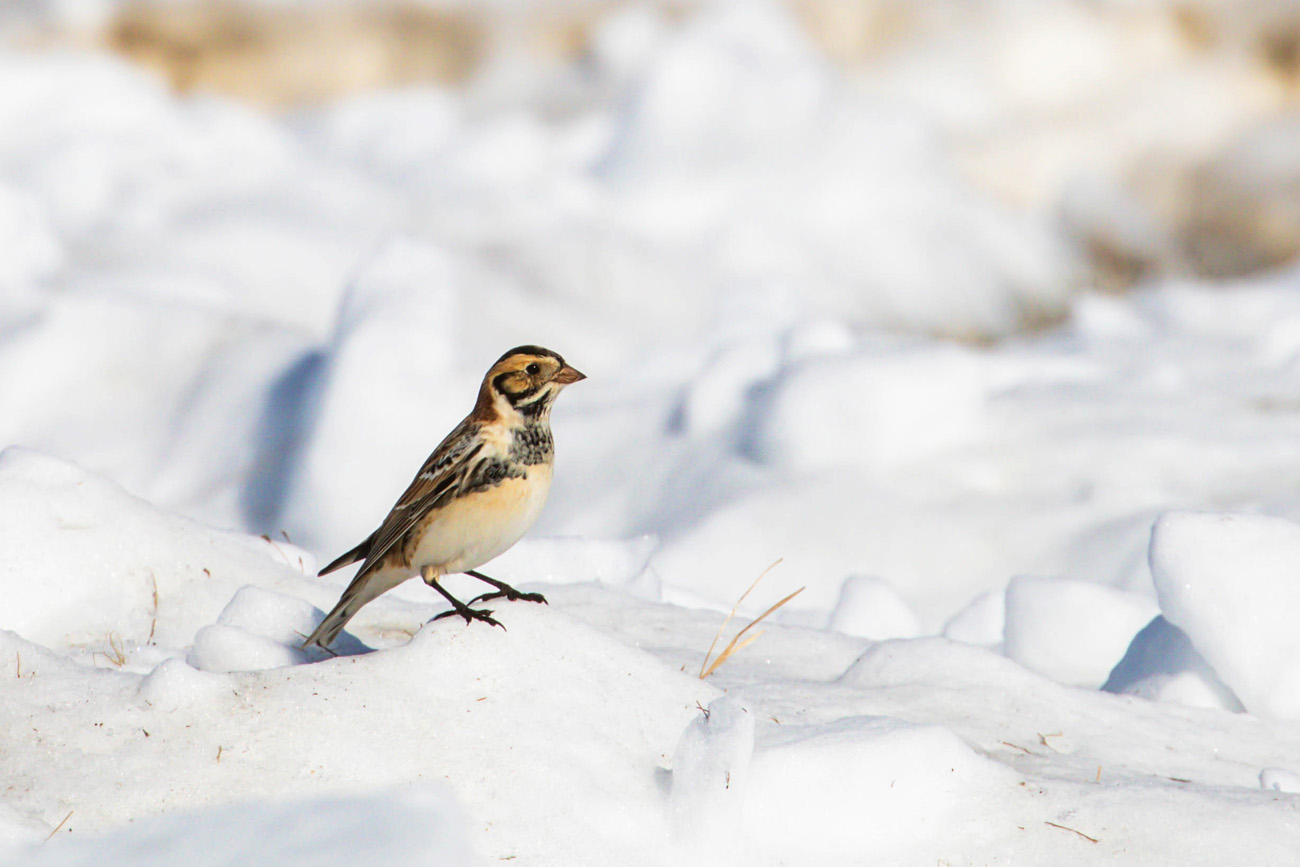
My favorite lifer of October was obviously the cobalt crust (even though I disrespected its purple relative above). But since I already shared that last month, we’ll go with a bird instead. Fall always brings an influx of interesting sparrows to Shelby Farms Park, and over the years I’ve developed a real inferiority complex about them. In the maze of tall grasses, I have trouble picking out the unusual ones and often require the generous assistance of other birders. This time, though, I finally found my own needle in the haystack: a clay-colored sparrow hanging out in a flock of the more-regular field sparrows. The fact that from a distance they all look the same makes homing in on a rare visitor even more satisfying.
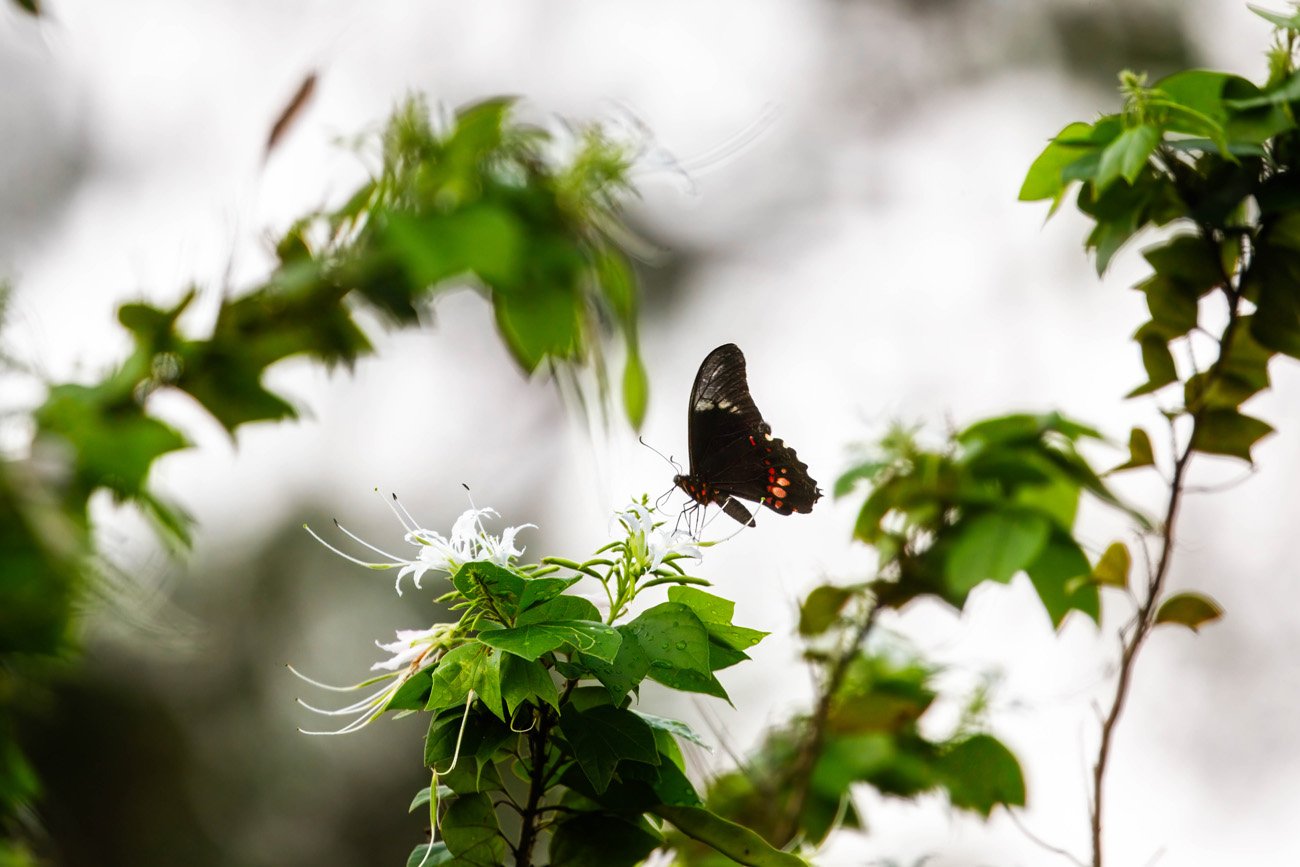
November: Ruby-Spotted Swallowtail
After Overton Park, the National Butterfly Center in Mission, Texas is my favorite park in the world. I visit every fall to see my familiar Texas favorites like queens and pixies, but this year a convergence of factors (rains and wind in Mexico pushing butterflies north, the NBC staff expanding its host plantings to attract new species) made November the greatest month in the Center’s history with nearly 140 species seen. Naturally this meant many happy butterfliers, and over the course of three frenzied days I joined the pack of folks alerting each other whenever something rare turned up. On my last morning, the cry came up from the plant nursery: a ruby-spotted swallowtail was nectaring on Mexican orchid! This is a Central and South American species that hadn’t been seen at NBC in seven years, and experiencing it with the staff and other visitors was a real moment of joy.
December: Bulbous Honey Fungus
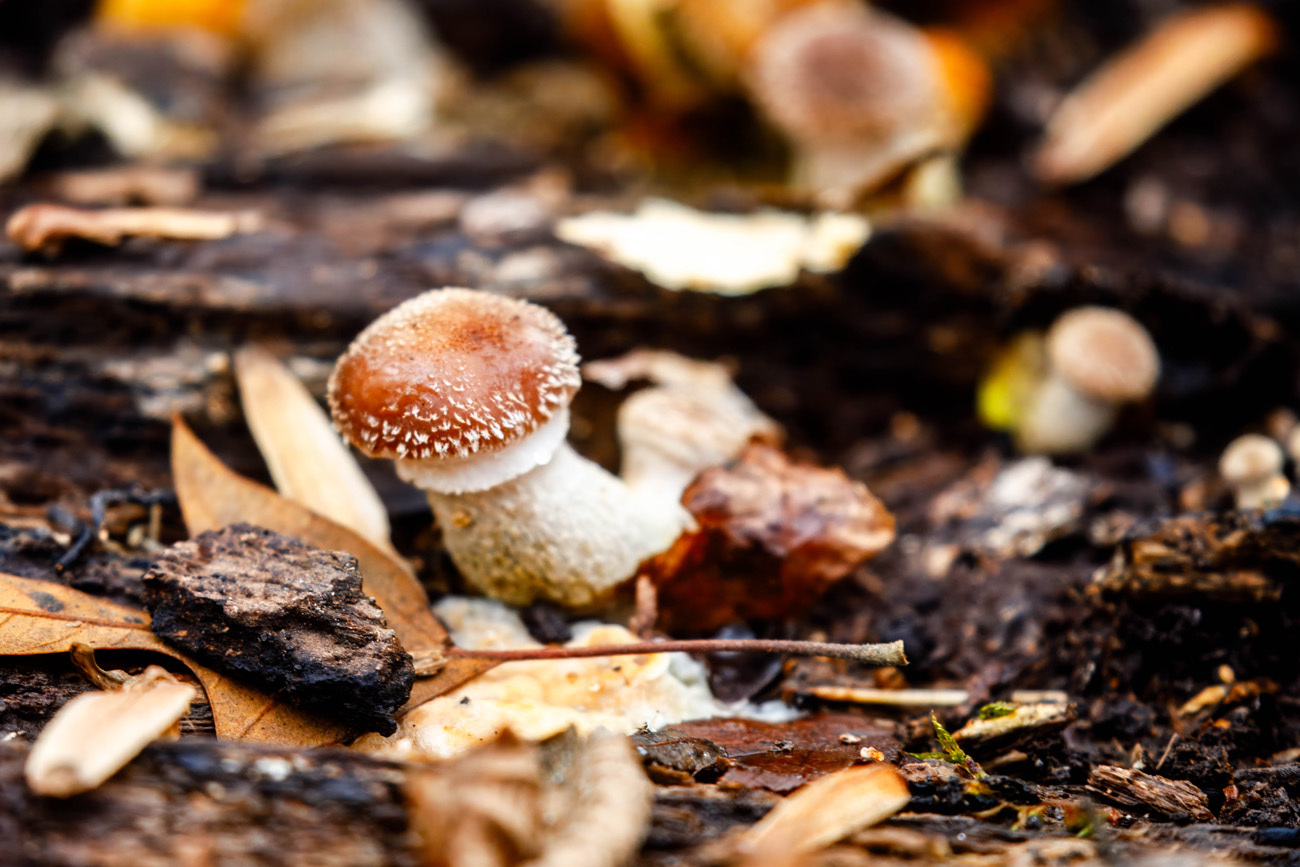
Having acquired a taste (only in the figurative sense!) for forest mushrooms this fall, I now look forward to rainy days so that I can go out looking for the resultant fungi. Kim and I found a fallen tree that was covered in this bulbous honey fungus, a cool-weather fruiter whose swollen stem base keeps it from forming dense clusters. I can hardly wait to see what fungal lifers await me over the rest of the winter…
Even if you’re just a casual user of iNaturalist, it’s fun to look back on what you’ve seen every year. Generate your own stats at this link.
Overton Park Conservancy would love your support! You can donate here or subscribe to our emails to get NatureZen posts in your inbox.