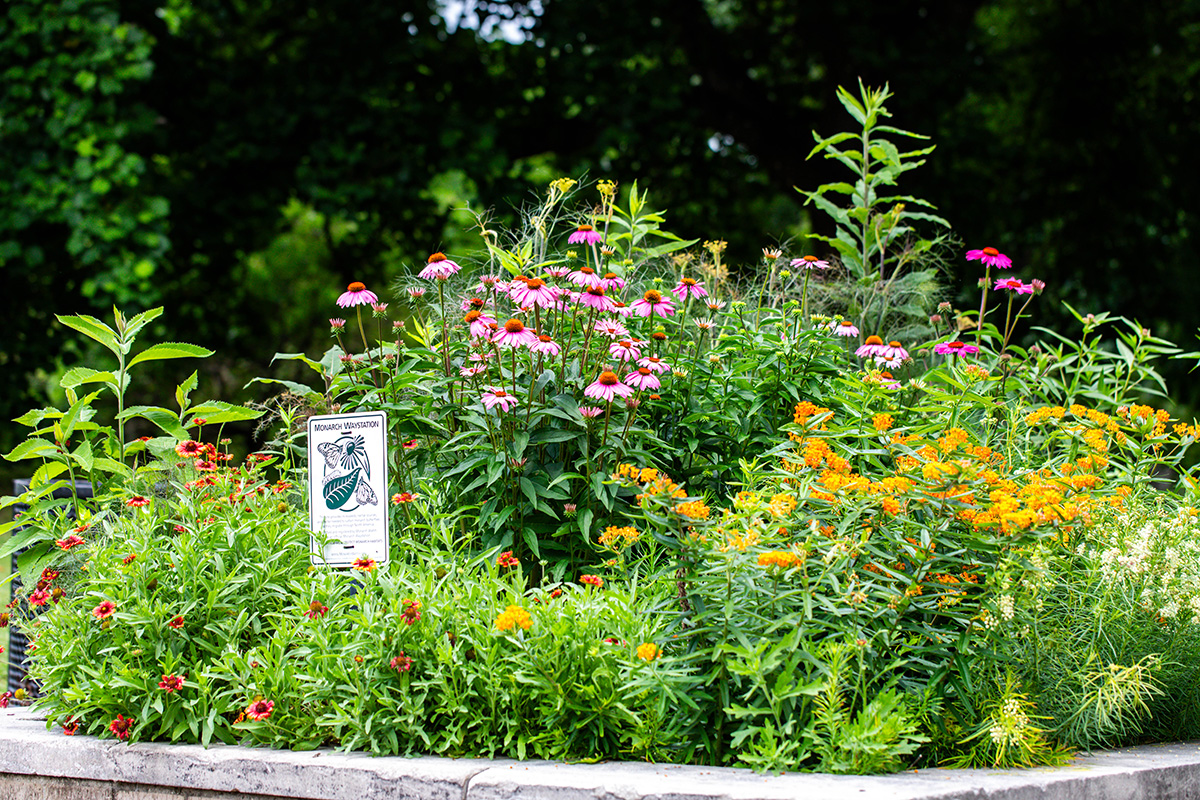
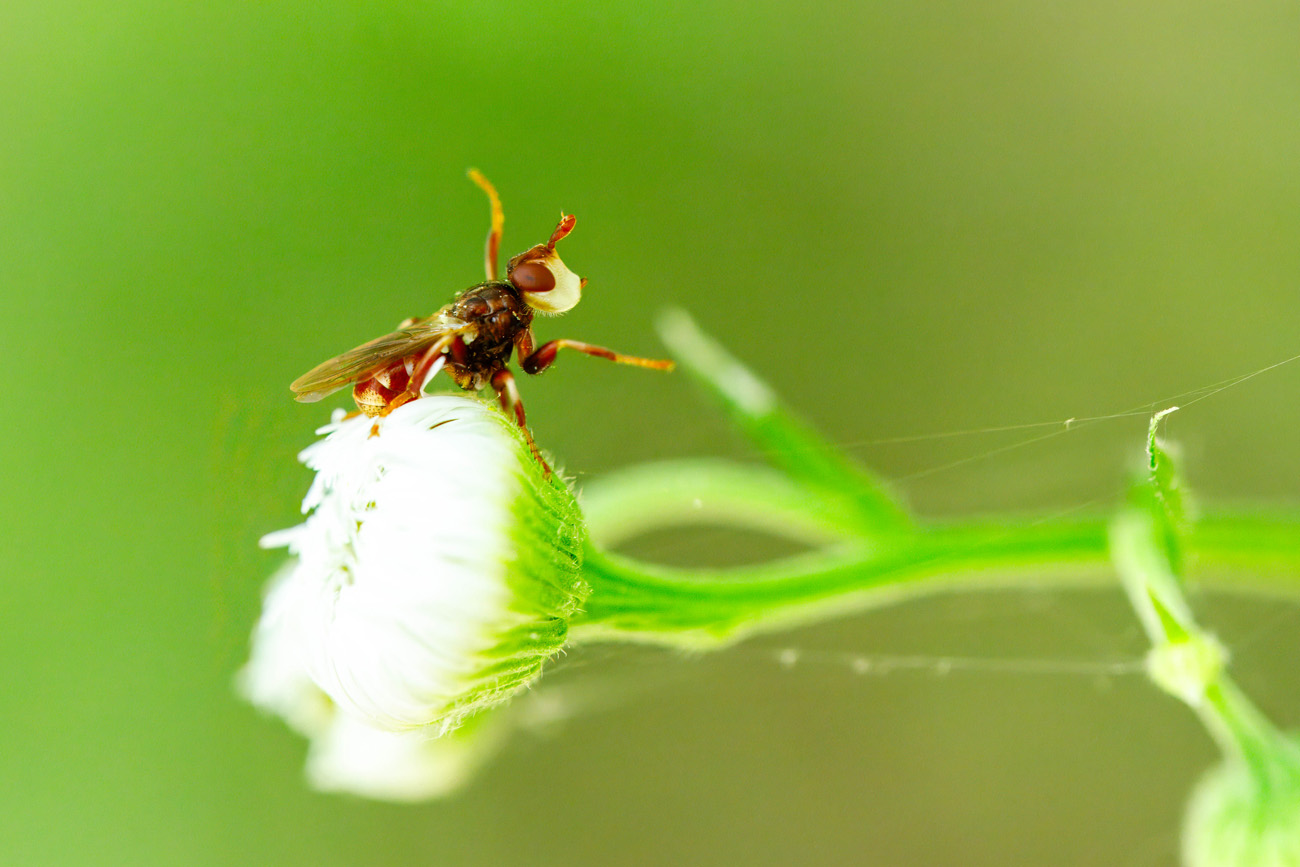
If you strolled by Veterans Plaza anytime between May and October last year, you did so in the company of many a winged creature! Overton Park Conservancy’s pilot project to install pollinator-friendly gardens paid off in a huge way. Over the summer, we recorded more than 270 types of invertebrates using these plants as food and shelter, including 36 species of butterflies, 32 species of bees, and 50 species of flies!
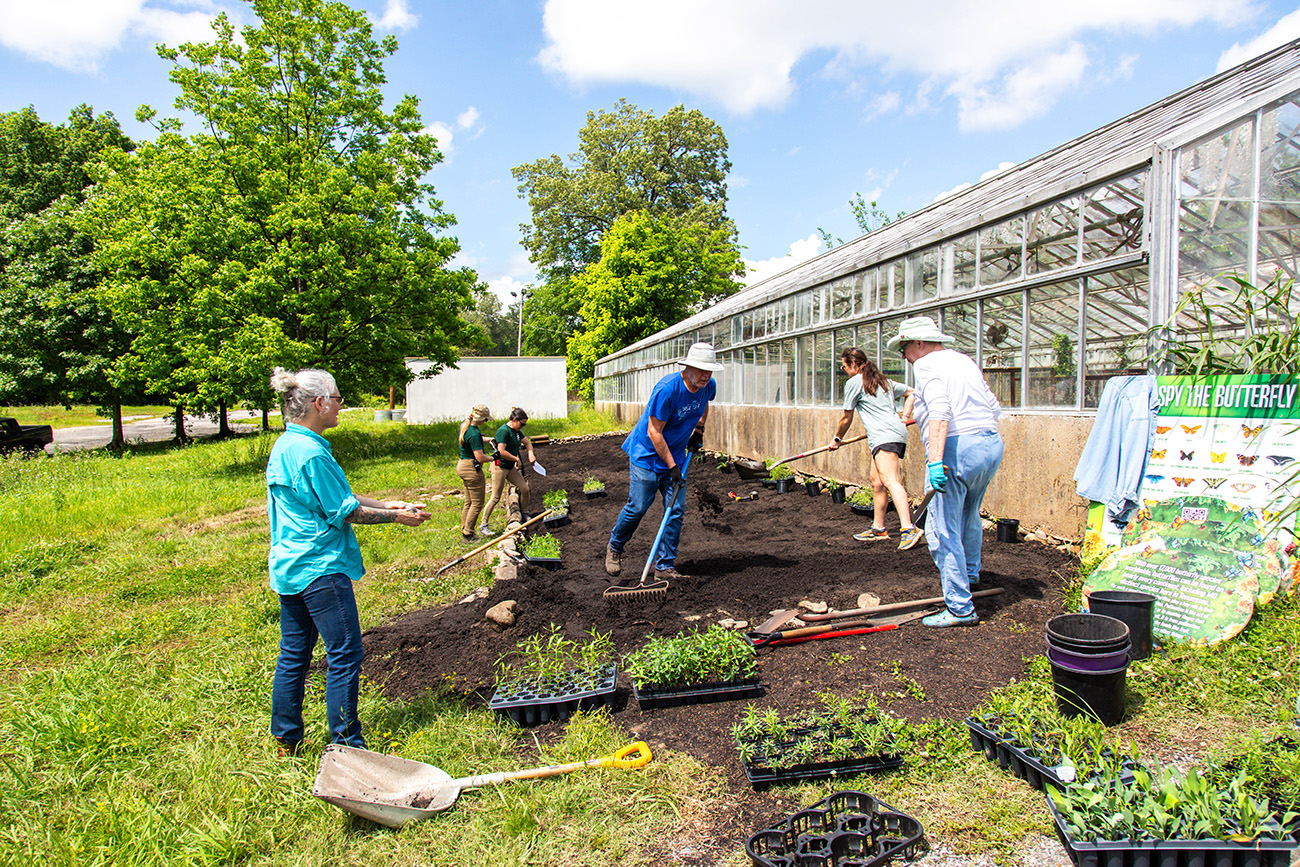
We had so much fun taking care of the garden that when our friends at the Memphis Zoo told us about an opportunity to create more pollinator habitat, we jumped at the chance to partner. In the fall, we were jointly awarded a Saving Animals From Extinction (SAFE) grant from the Association of Zoos and Aquariums to focus on monarch conservation.
Monarchs have a multi-step migration pattern, where adults that overwinter in the mountains of Mexico fly north in spring, stopping to breed wherever they can find milkweed plants. Because milkweed is the only food their caterpillars can eat, any pocket of these flowers is likely to benefit monarchs. When this generation of caterpillars transform into adults, they then fly north and repeat the process. By the end of the summer, the continent is covered in a new generation of monarchs, the final brood of which begins to move back towards Mexico.
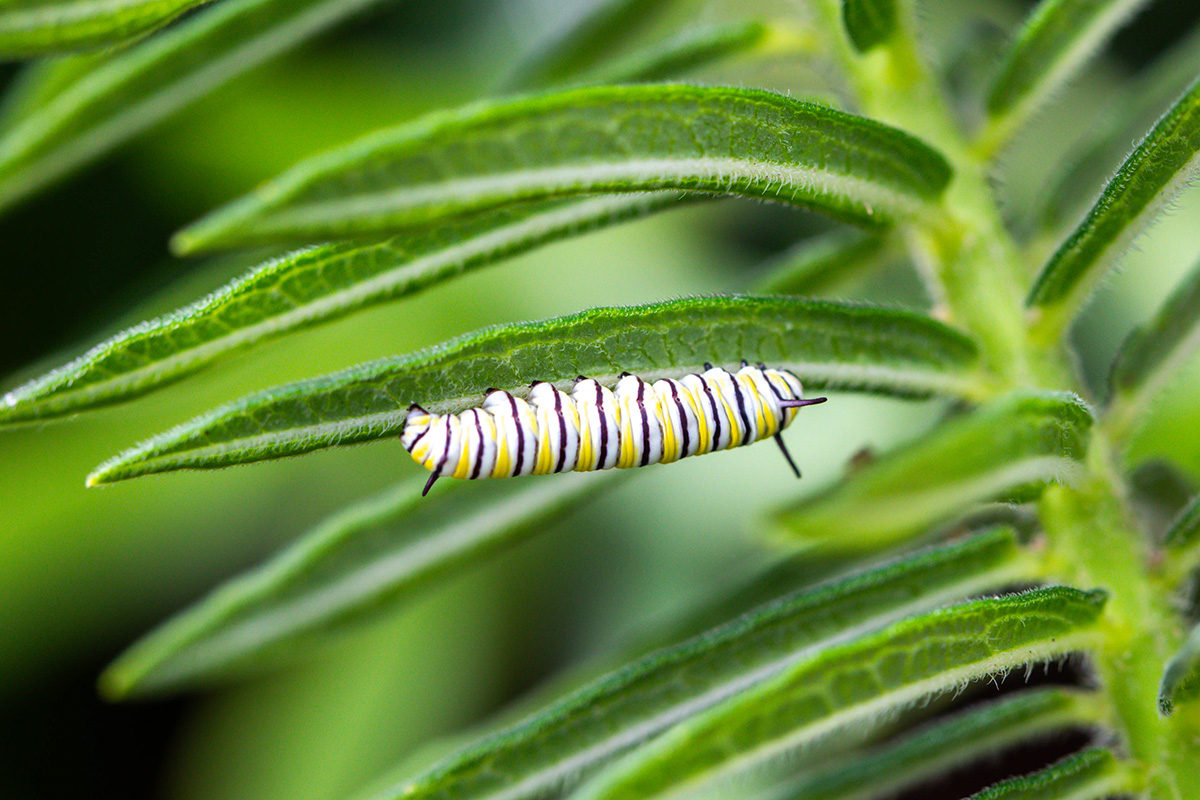
Monarch populations have declined dramatically just in the last decade due to habitat loss, drought affecting the growth of host and nectar plants, and the use of herbicides and pesticides. The SAFE grant is intended to create new areas of habitat for monarchs and to educate people about how they can help conserve the species.
As part of our grant, this year we replanted the Veterans Plaza beds with even more milkweed and native plants (replacing the non-native lantana that was left over from years past). We also created a large bed adjacent to one of the greenhouses in the park’s southeast corner, which we filled in with hundreds of native plant plugs supplied by The Works. A second plot will be seeded with native wildflowers. This all amounts to a safe haven for monarchs that will benefits hundreds of other insect species as well.
While we documented 270+ species last summer, this year we’ll also be collecting baseline data of how monarchs are using the gardens. Over the summer, we’ll conduct regular monitoring of milkweed plants and record the numbers of eggs, larvae, pupae, and adult monarchs to see the impact we’re having.
We hope to create some programming by early fall that gives you the opportunity to check out the southeast corner plot, and we welcome you to visit the Veterans Plaza beds all summer long!