It’s right there in the name: Overton Park’s 126-acre forest is old. It boasts trees that have been here for 185 years, towering over 100 feet into the sky. But an “old-growth forest” is so much more than just long-lived trees.
What sets the Old Forest apart from many other patches of forest in Shelby County is that this forest has never been farmed or cleared. That means it’s had hundreds of years to develop complex layers, each with its own unique role to play in a lively ecosystem. From the tallest trees in the canopy to the fungi recycling rotten wood on the forest floor, every level of the forest provides critical habitat for wildlife and important services for people.
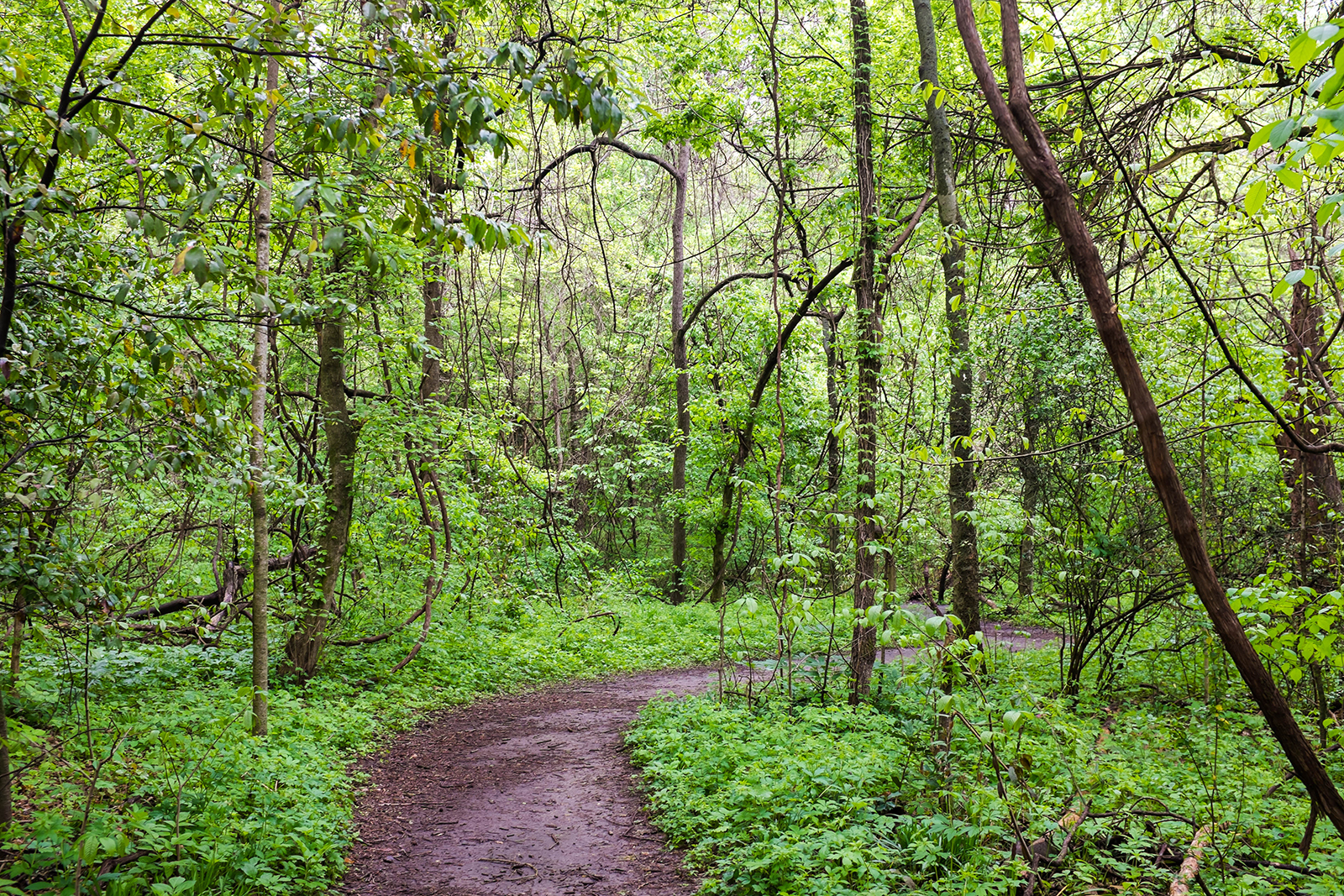
Sometimes these layers…well, they look like a mess. Tangled vines, dense shrubs, and piles of fallen limbs are not what we’ve grown accustomed to seeing in our yards or in young forests growing in after being farmed. But what this mess actually means is diversity. It means a mosaic of habitats on multiple levels between the canopy and the floor. It means a variety of animals that can find food and shelter here. It means old trees, young trees, even dead trees; it means thick trunks alongside skinny stems. The mess is the magic.
To understand why a forest needs all these things that might look chaotic to our eyes, let’s explore the layers of our Old Forest, from top to bottom.
The Canopy
The tallest trees in the Old Forest — tulip poplars, sycamores, and 11 species of oaks — are the reason you can walk out of the relentless summer sunshine and feel the relief of an immediate temperature drop. These trees, which range from 50 to more than 150 feet tall, form the canopy layer, which creates an umbrella of shade over us, along with everything else living in the forest. Everything that happens below is dictated by the state of the canopy above.
Because the crowns of our tallest trees take up most of the sunlight in the forest, much of the photosynthesis (the process that releases oxygen into our environment) takes place there. Canopy trees intercept wind and rain, making the forest interior more stable during weather events.
Those 11 oak species come from the genus Quercus, which supports more wildlife species than any other tree genus on the continent. Across America, oaks attract nearly 900 species of caterpillars, according to ecologist Doug Tallamy. Caterpillars are a critical part of a forest’s food web, as they are a soft, easy-to-swallow food for birds to feed young. (Nature’s baby food!) Tallamy’s research showed that a single pair of chickadees needs 6,000-9,000 caterpillars to feed one clutch of babies! Such nourishment is far easier to come by in a forest filled with oaks.
We’ve shared a lot over the past few years about the work of our Director of Operations, Eric Bridges, who is conducting his doctoral research into why the species that make up the canopy layer are failing to regenerate at a healthy rate. As the old giants fall, new oaks and tulip poplars are having trouble getting tall enough to make it back to the canopy before being outcompeted by shorter-maturing species. Losing this layer would mean losing the many services these trees provide to wildlife, and it would mean losing the feeling of walking into a living, breathing cathedral. Developing strategies to help those species along makes it more likely that future generations will experience this forest in the same way we do.
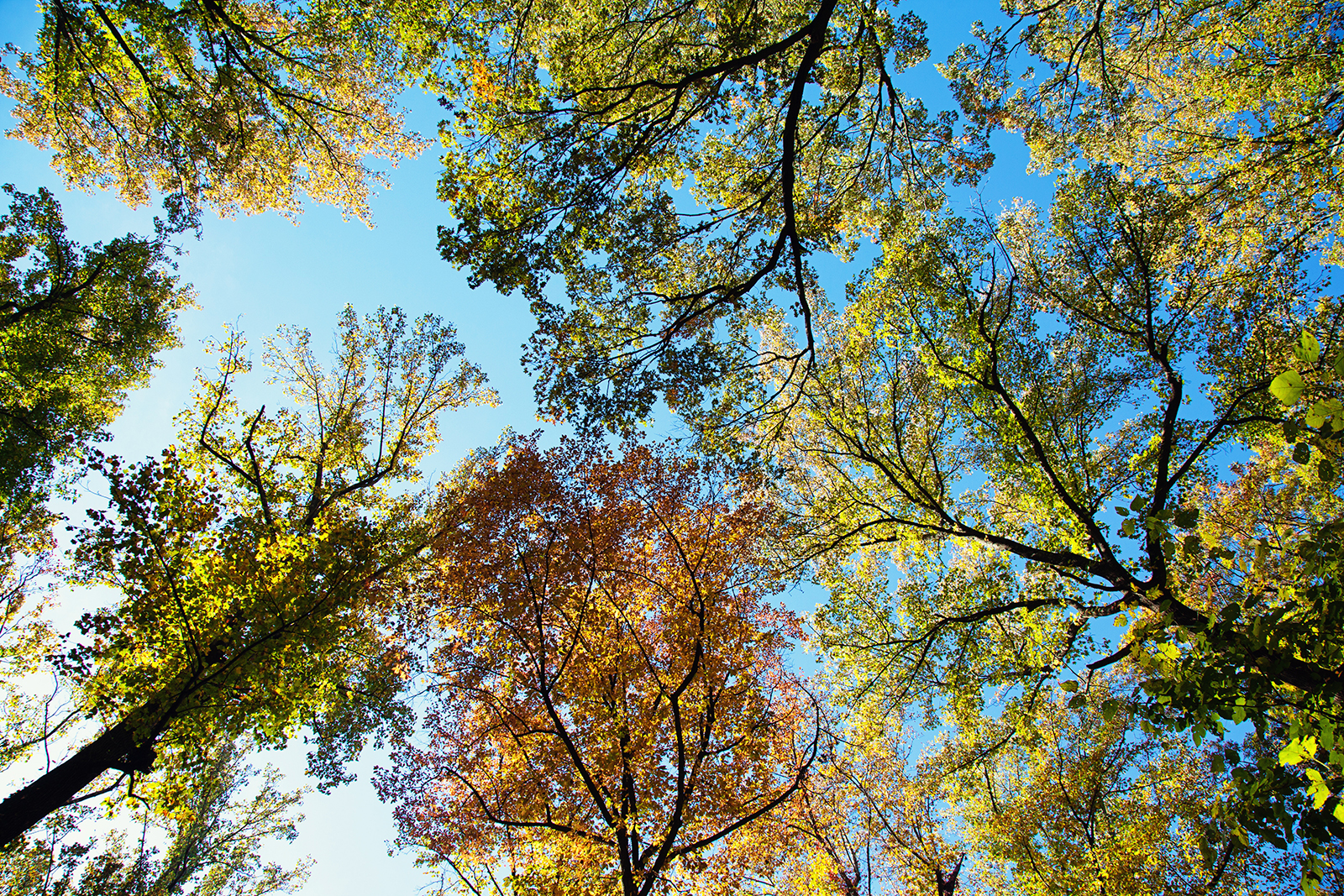
The Understory
Below the canopy is a layer of shorter trees, between about 20-50 feet in height. Because these trees don’t get much sunlight unless a gap opens up in the canopy, this layer is home to some stress- and shade-tolerant trees like maples, elms, sweetgums, black gums, and hickories. It also holds canopy species that haven’t reached their full height yet.
This layer provides different heights from which birds can nest and hunt, and serves as an important backup in the event of a disturbance to the canopy. Should oaks all die off, the Old Forest would still exist as a forest, but the tallest trees would be shorter, and the diversity of wildlife would be diminished because so much depends on the oaks. But shorter-growing species have their roles to play as well.
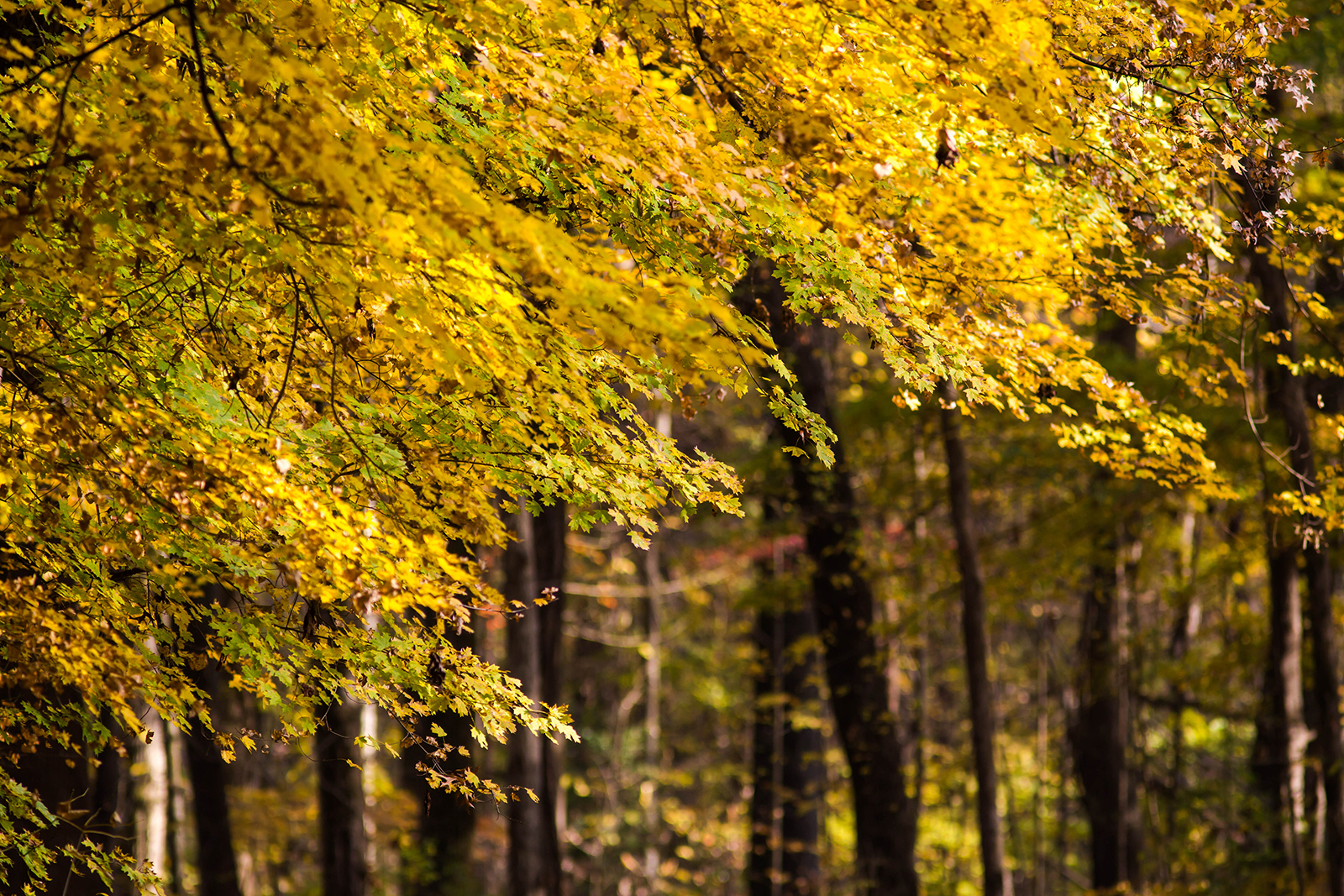
A stand of sugar maples lines the Green Trail in the Old Forest.
Sugar maples, in particular, can tolerate the shade produced by taller species because they grow so slowly. Sometimes it can take a maple decades to reach a few feet tall, and that’s because they’re able to bide their time waiting for a gap in the canopy to send them some sunlight.
These trees reward us with magnificent fall color, but they’re also important for wildlife. In late winter, freezing nights and warmer days create the pressures in the sugar maple that cause it to produce sap. Yellow-bellied sapsuckers come through, use their bills to drill a row of holes around the tree trunk, and drink the sap. Ruby-throated hummingbirds and insects also love to drink the sugary solution, and you may see moths, butterflies, beetles, wasps, flies, and other small insects following behind sapsuckers to enjoy the spoils. In addition, the seeds, buds, twigs, and leaves provide food for squirrels, chipmunks, and finches, while pileated woodpeckers and hermit thrushes use the trees to forage for insects.
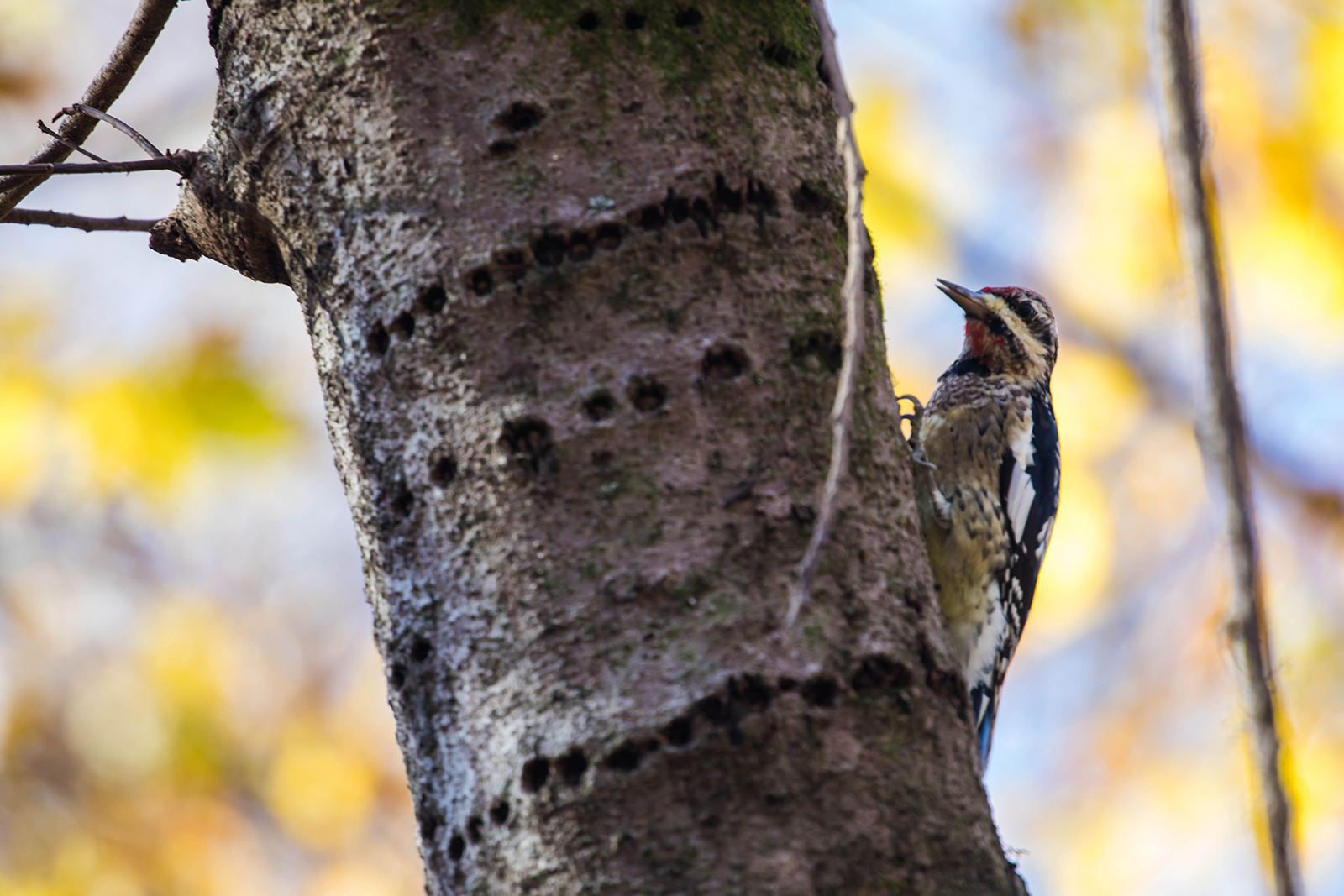
Yellow-bellied sapsucker