The results are in! Last month’s City Nature Challenge featured 754 cities from around the world, and Memphis & Shelby County came in at #271 with 1,856 observations. I regret to inform you that we slid a bit from last year’s position, and we lost to Nashville (#267) by a mere 51 observations. Chattanooga, for its part, trounced us both, coming in at #164.
Despite falling in the rankings, we learned a lot about nature in Memphis and helped create a snapshot of wildlife around the world. The data collected year over year during this global BioBlitz helps scientists track trends, visualize species distribution, and occasionally rediscover lost species! This year, the organizers have compiled lots of interesting data for each city, including which species were observed locally for the first time during the CNC. Check out Memphis’s results here.
As always, I had a great time and completely exhausted myself. Here are some of my favorite observations from the weekend.
NatureZen: A Wildlife Census
words and photos by Melissa McMasters
First thing’s first: it must be said that the Overton Park Conservancy crew was on fire during this challenge. Malle shot into the top five observers, and Fields and I battled it out for the top spot (she won, as she generally does!). Both of us smoked our tallies from 2025, and I did it in half the time: I left Sunday morning for a wedding in Texas, so I only logged two days of field time here at home. My strategy this year: lots of grasses. Some sedges. Maybe even a rush or two. There’s a lot going on in an open field!
Friday, April 24
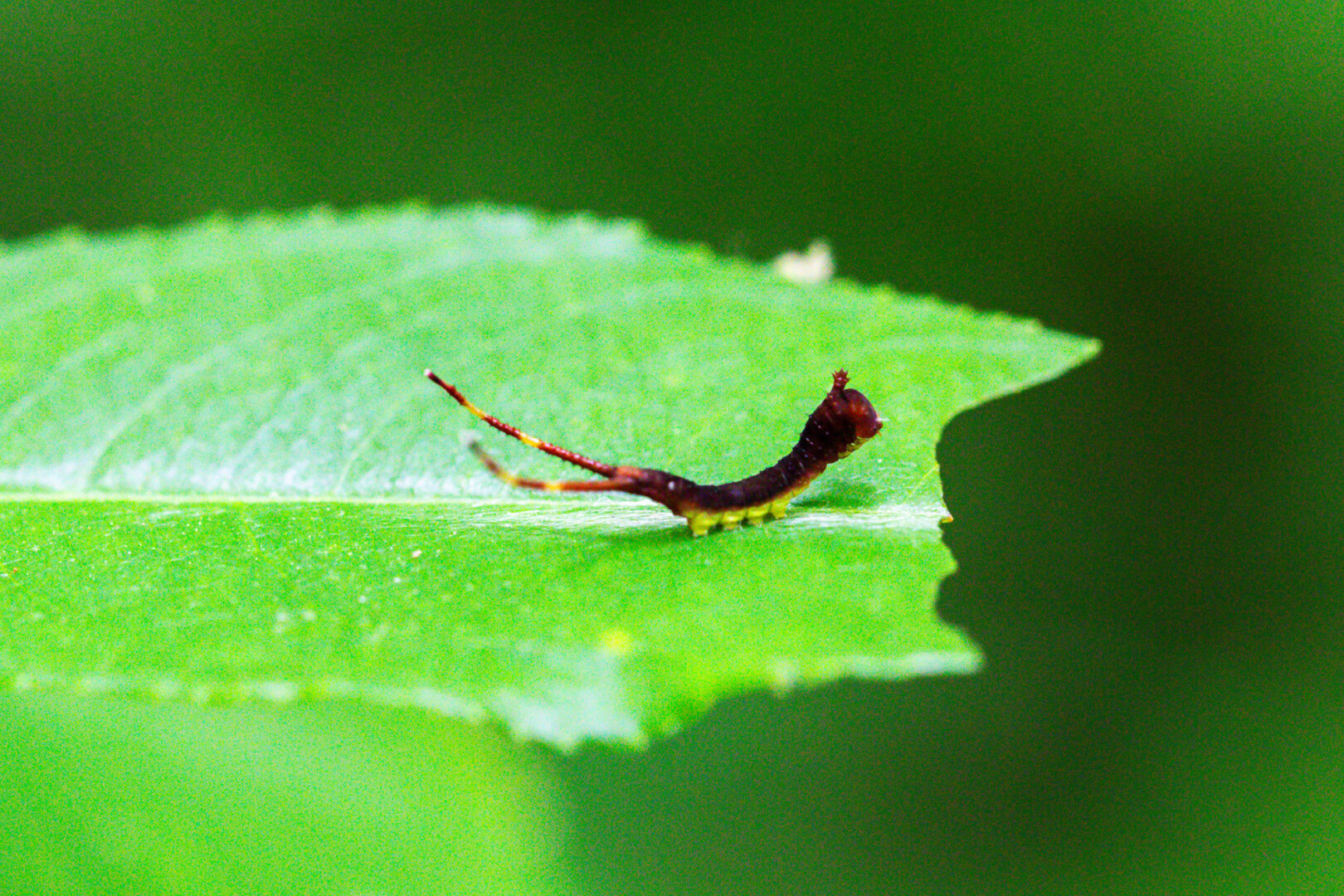
Friday brought the usual Memphis CNC weather: suffocating clouds and rain. I started my day in the Old Forest, logging common plants and hoping some birds and bugs would show themselves. I knew where to start: the day before, I had tagged along on Malle’s nature journaling class, and she showed me a white furcula moth caterpillar that had been occupying the same tree for a few days. I regret that this is a photo and not a video, because let me tell you: this caterpillar will fight you. Or at least wave its little tail spikes like it’s going to fight you.
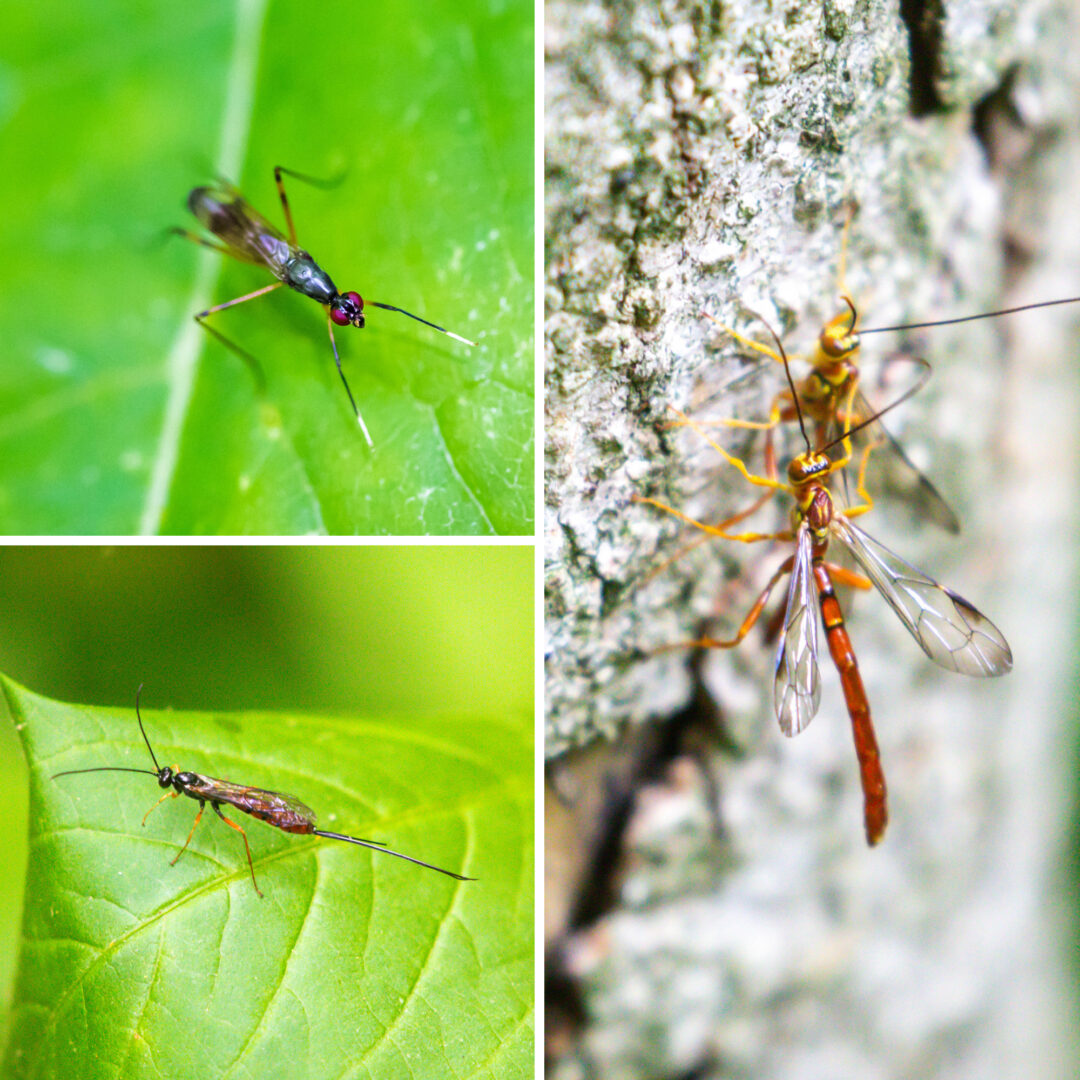
While crossing under a canopy gap, I came upon a delightful pocket of insects. At first glance, these all look like ichneumonid wasps, which parasitize small insects and spiders. But one of these things is not like the other. The top left insect is actually a stilt-legged fly, Rainieria antennaepes (Antenna-Foot!), that waves its multi-colored front legs above its head to imitate the antennae of a wasp. The bottom left is a genuine ichneumonid, Dolichomitus irritator, but don’t worry about that “stinger” unless you are a wood-boring beetle. It’s her ovipositor, and she uses it to drill into trees in search of beetle larvae in which to lay her eggs. The duo on the right are Greene’s giant ichneumonid wasps, which lay their eggs in the larvae of sawflies that chew the bark of trees. The female has to detect where the sawfly larvae is within the tree and pinpoint where to put her ovipositor so that her eggs can reach their host. I say this a bunch, but: there is a whole lot going on in that forest.
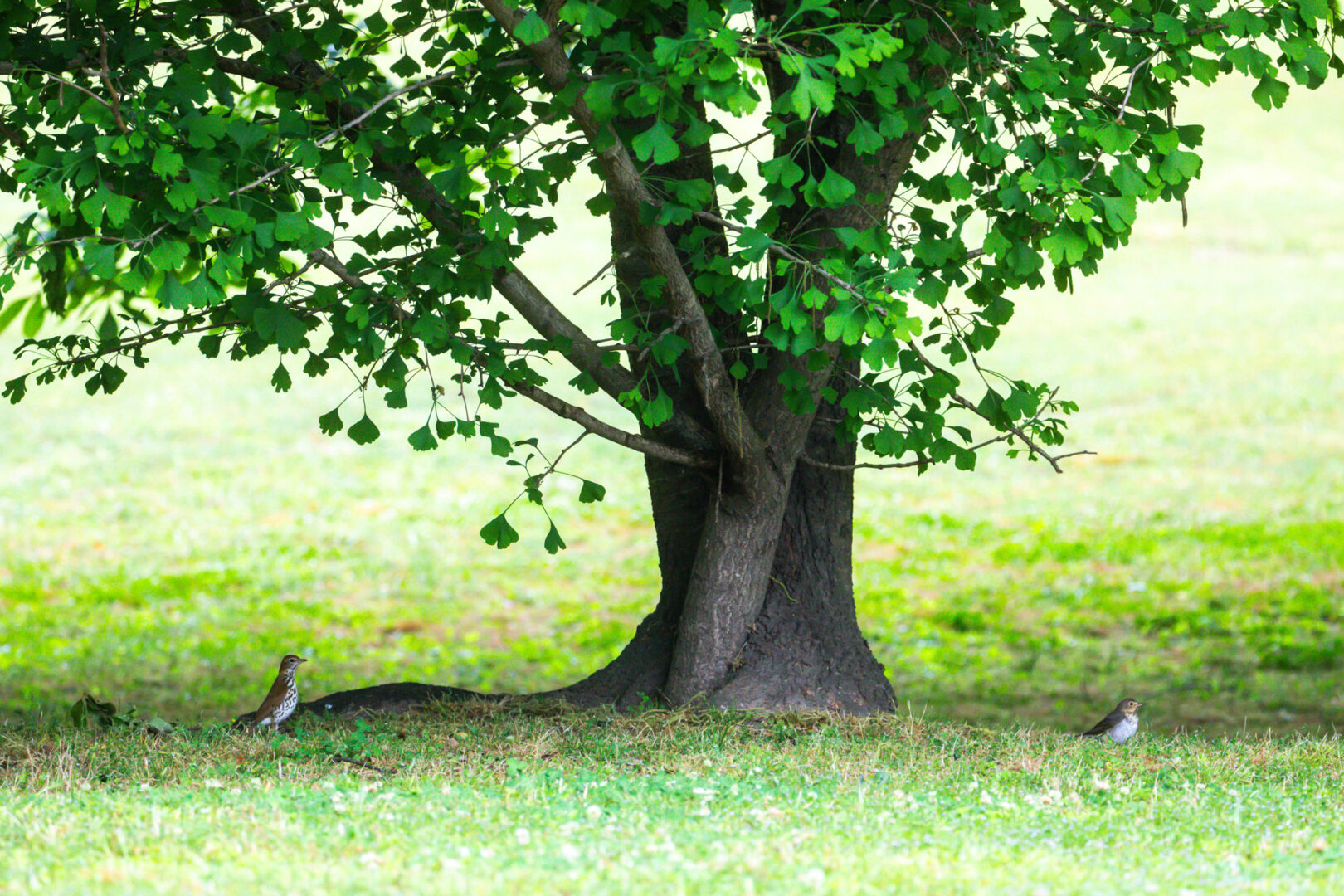
Just as it started to rain, it was time for me to head to a morning meeting at the Shell. When that was over, I popped over to the formal gardens, where I finally got a glimpse of some birds. Here are a wood thrush (left) and a Swainson’s thrush under the same ginkgo tree. The wood thrush is being a real show-off, posture-wise.
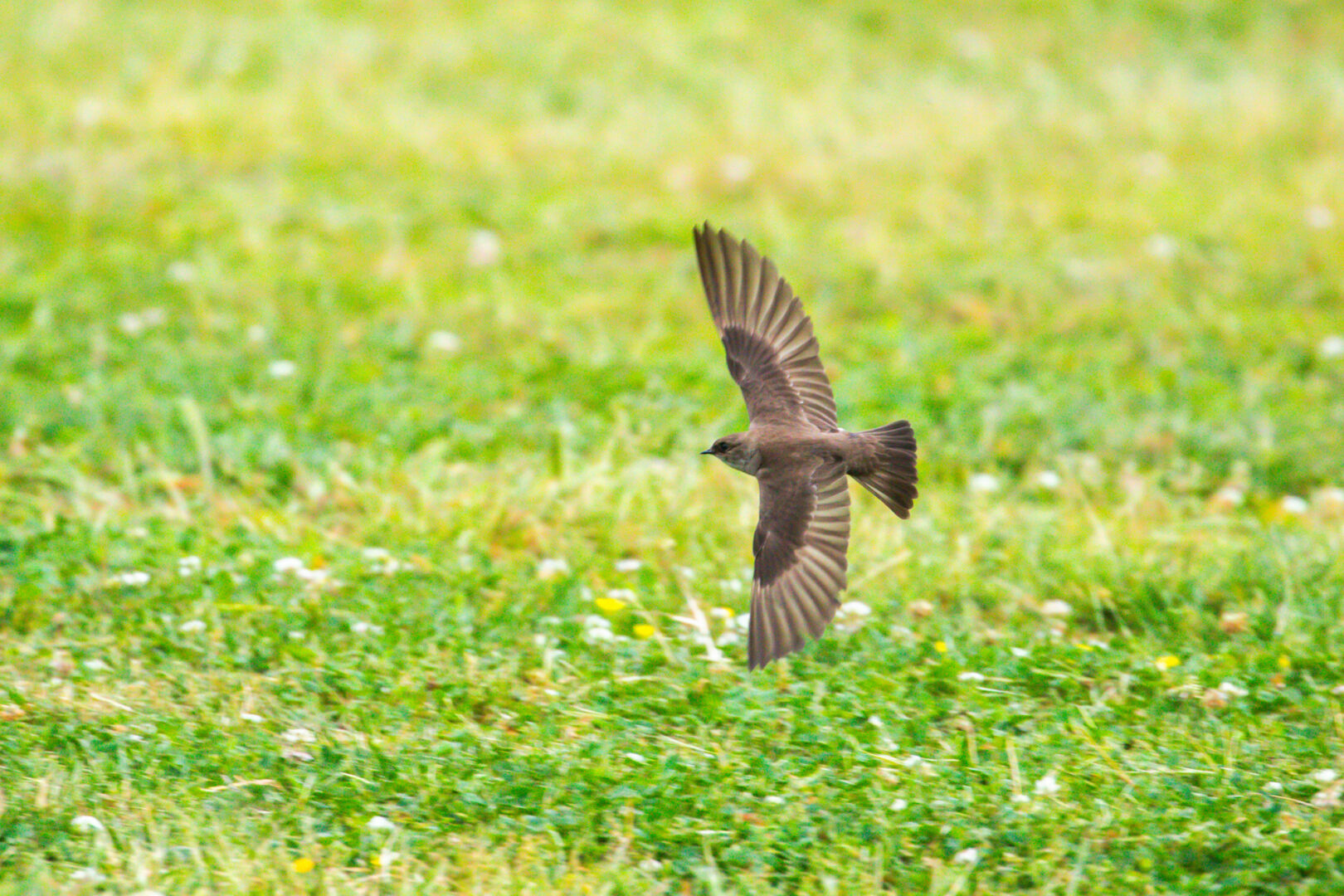
I wasn’t having much luck finding bugs over there, but the swallows were! This Northern rough-winged swallow was joined by many others flying low over the Greensward in search of lunch.
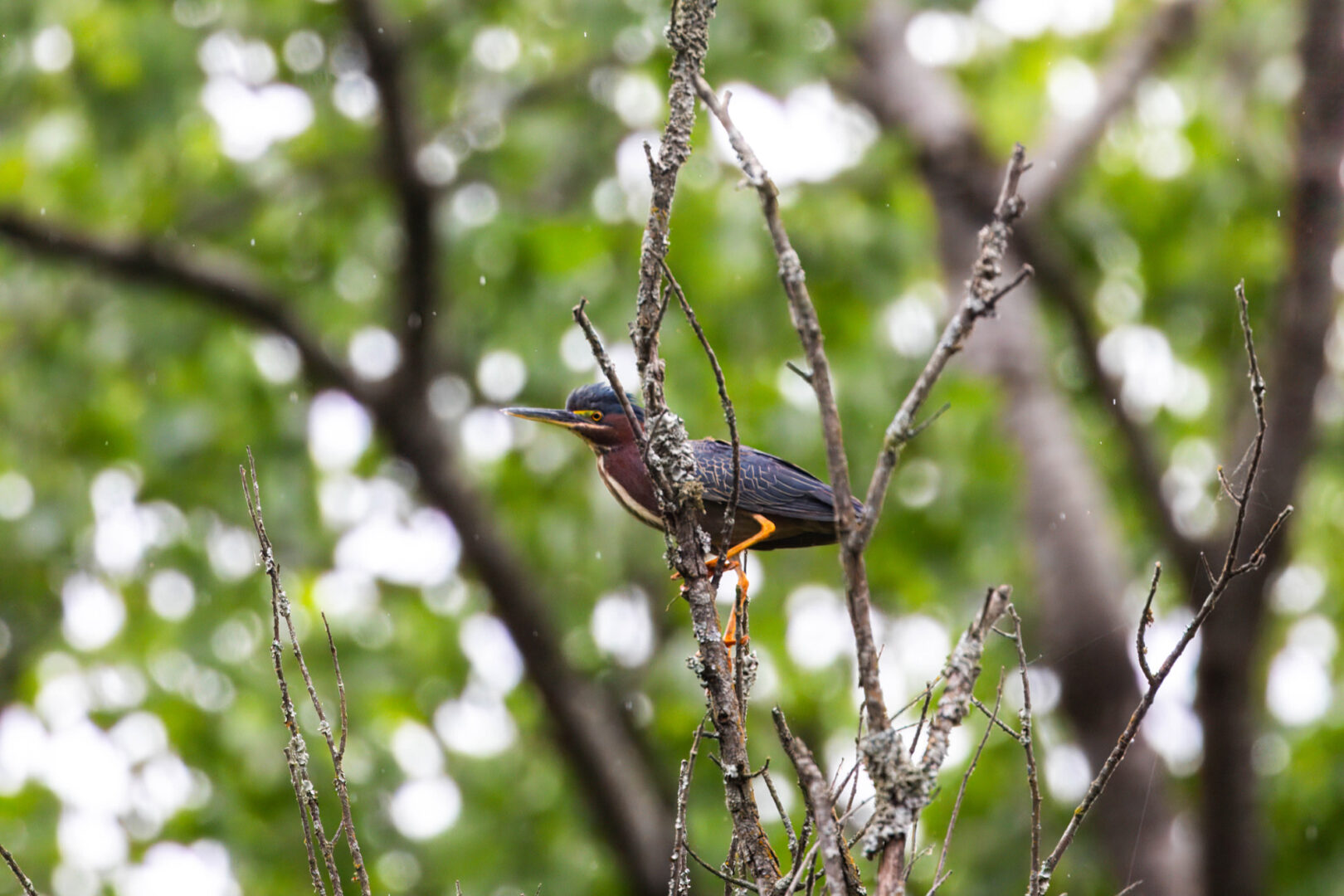
The rain started to pick back up, but instead of walking back to my car, I headed toward Rainbow Lake, where I’d seen an unusual shape flying in and out of the trees. It was a green heron! We don’t see a lot of these in Overton Park, because they need functioning wetland ecosystems to thrive. Rainbow Lake is not that…yet. (Stay tuned in the next few weeks as we tell you about our plans to change that!)
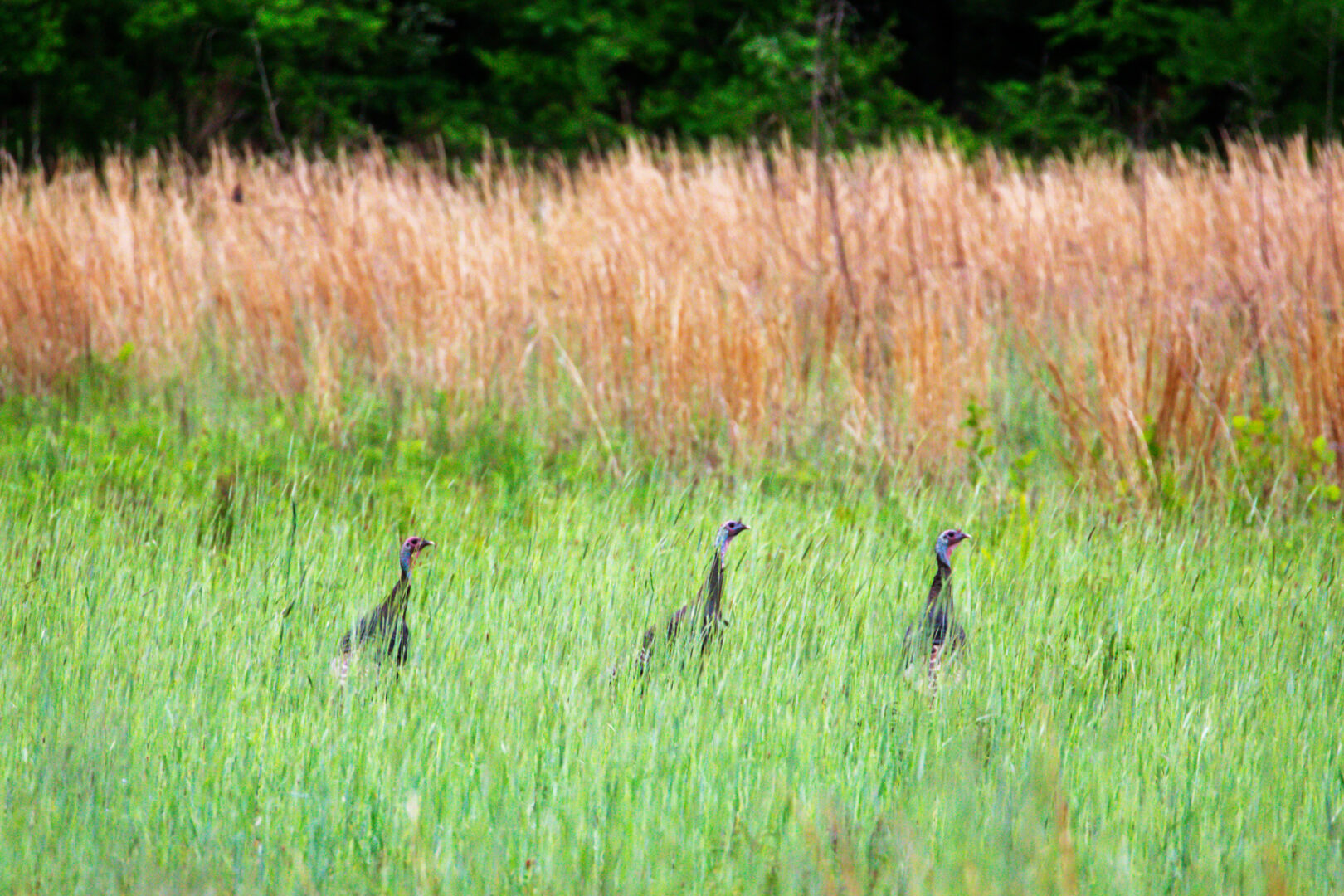
It started raining heavily after that, so I spent the afternoon inside before making an end-of-day run to the Gardener Road marsh west of Shelby Farms Park. Wild turkeys were there to greet me, looking like a mirage in the grass. (Or is it sedge?)
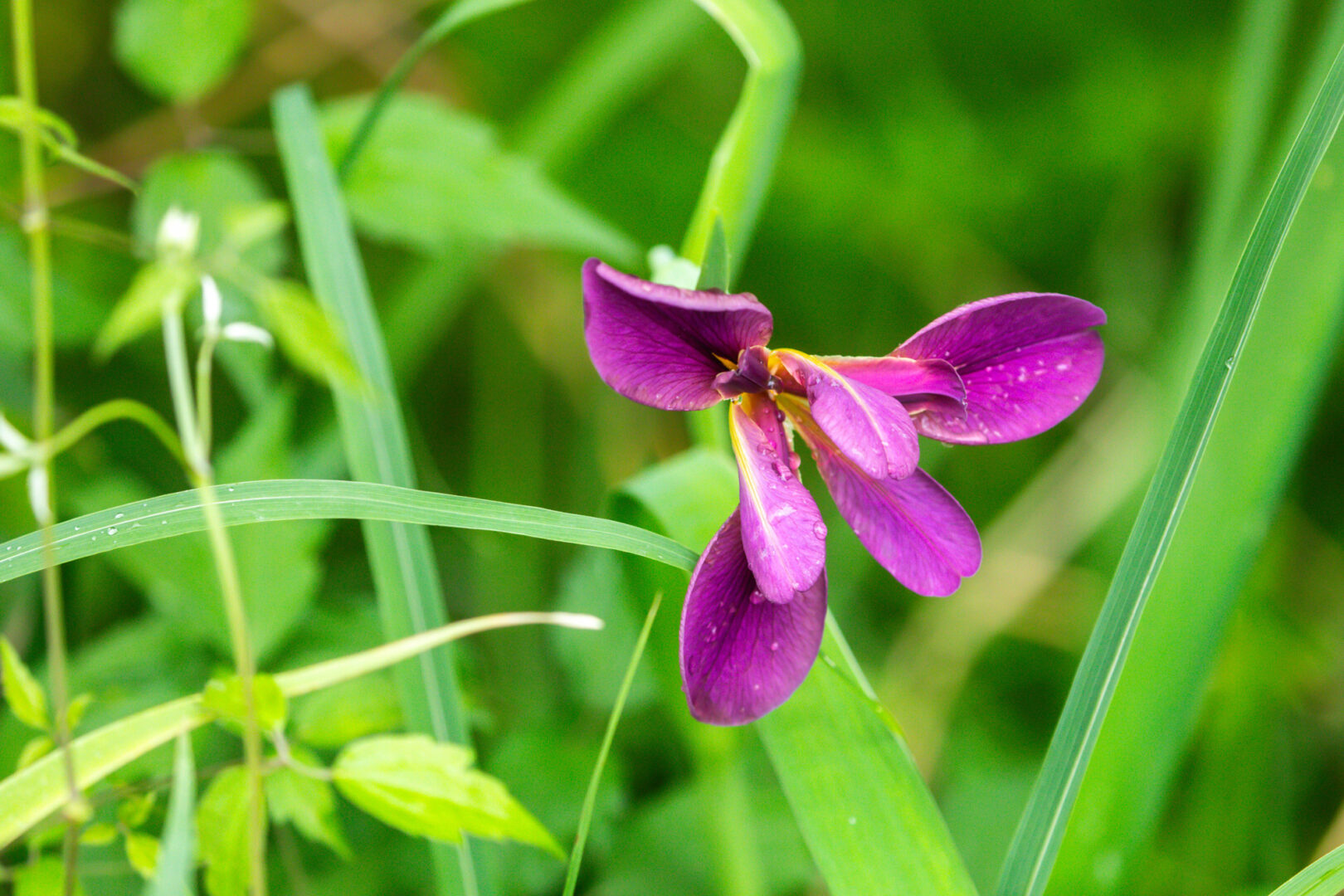
It’s always a treat to come upon a Louisiana iris growing alongside a stream. Of the 300 or so iris species in the Northern hemisphere, only five make up the Louisiana group. They’re distinguished by an open, flatter flower shape, as opposed to the tall, bearded look in many other species. This group also hybridizes freely, and the offspring aren’t sterile, so they can continue to produce variations down through the generations. Consequently, there’s no way to tell from this photo what the genetics of this plant are!
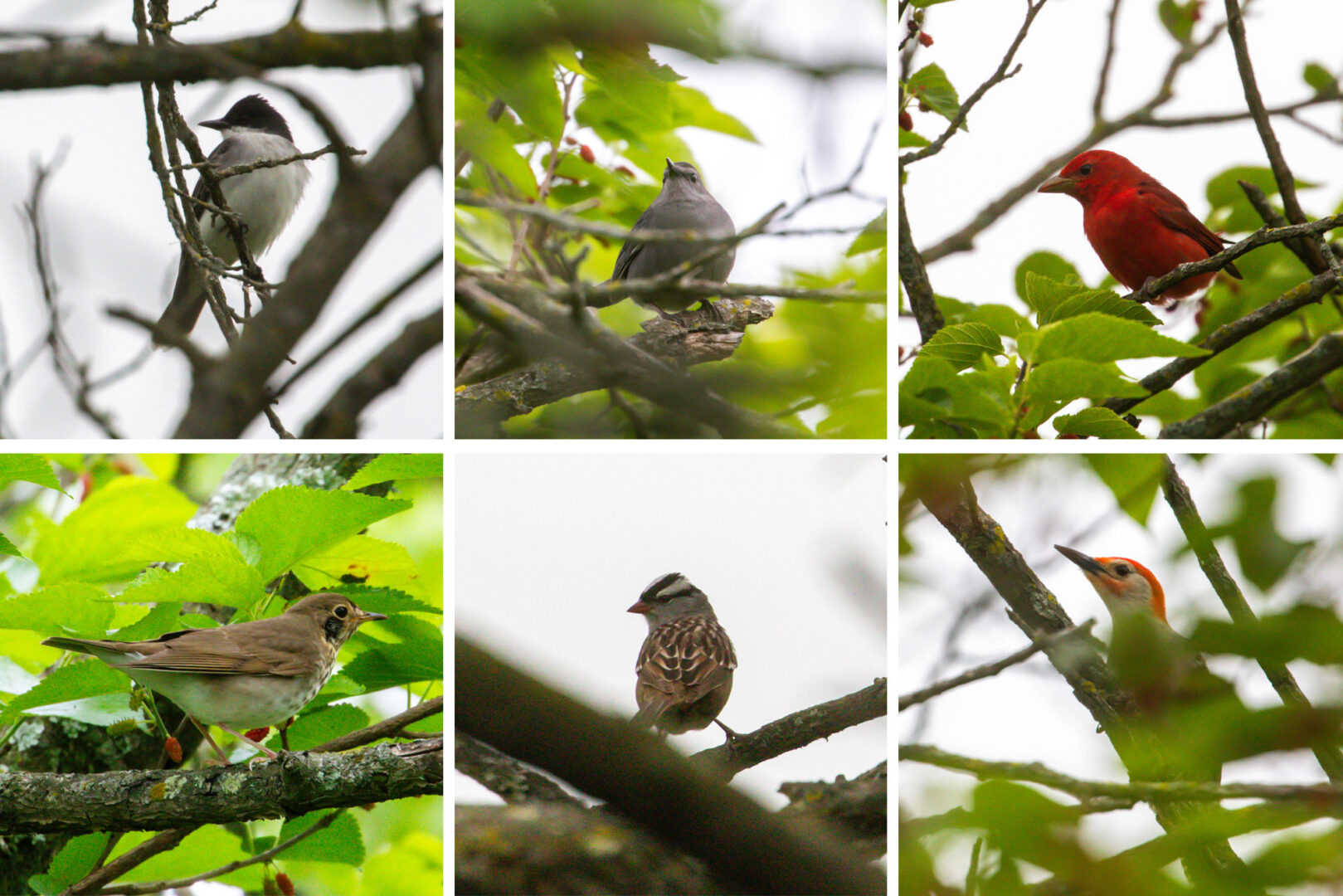
Finding a mulberry tree always provides a City Nature Challenge jackpot. So many different birds flock in for a fruit snack or just a comfy perch. Clockwise from left: Eastern kingbird, gray catbird, summer tanager, red-bellied woodpecker, white-crowned sparrow, and Swainson’s thrush.
This spot was a birding bonanza, featuring two kinds of orioles, several warblers, and even the first common nighthawk I’ve seen here in town. It was also quite dark from the aforementioned low clouds, so eventually I stopped being able to take competent photographs. Time to rest up for the next day!
Saturday, April 25
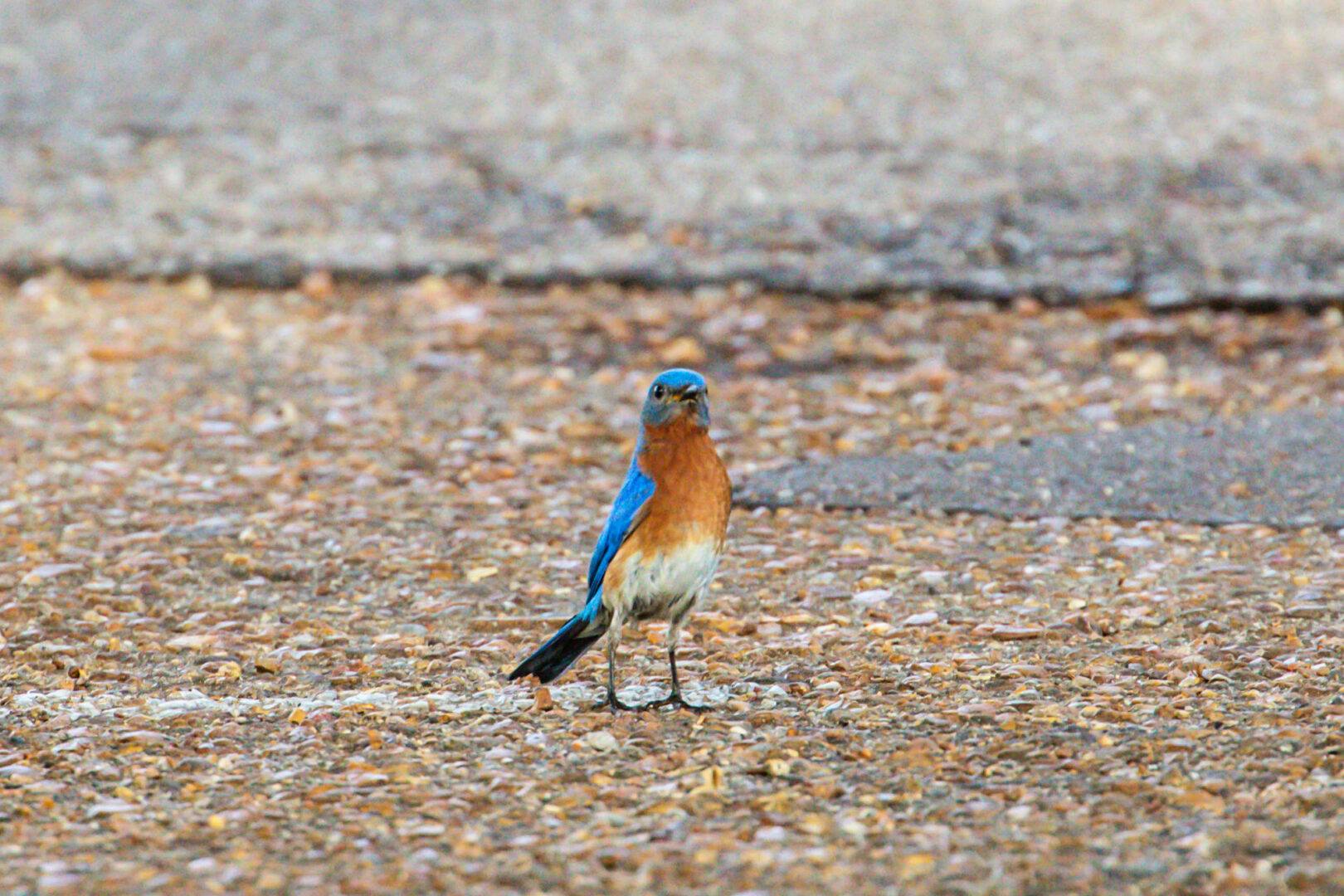
Wonder of wonders, we had gorgeous weather on Saturday, and I had a full day to spend outside. I started off on the Chickasaw Trail at Shelby Farms Park, where this Eastern bluebird pointed out that a bird on pavement pretty much epitomizes the City Nature Challenge. I am indulging his request to be this year’s mascot.
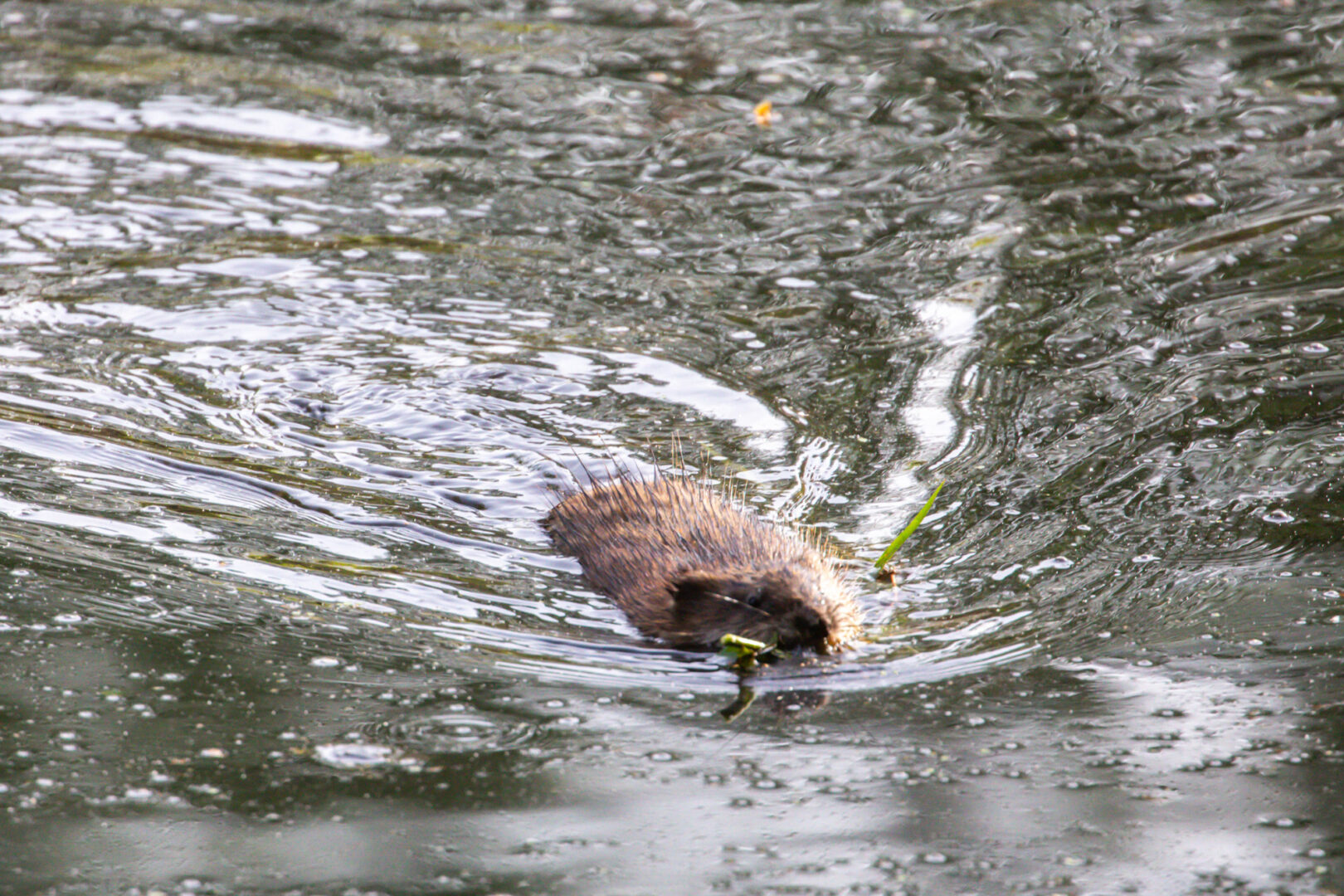
As I walked by a small pond, I heard a splash that was larger than the one the turtles usually make when I walk by. It was a muskrat! It broke off some pieces of aquatic plants and swam by, perhaps back to its burrow on the banks of the stream. I find it hard to tell one wet rodent apart from another, so I made sure to observe the tail while it passed by: this one was long and skinny, just like a land rat.
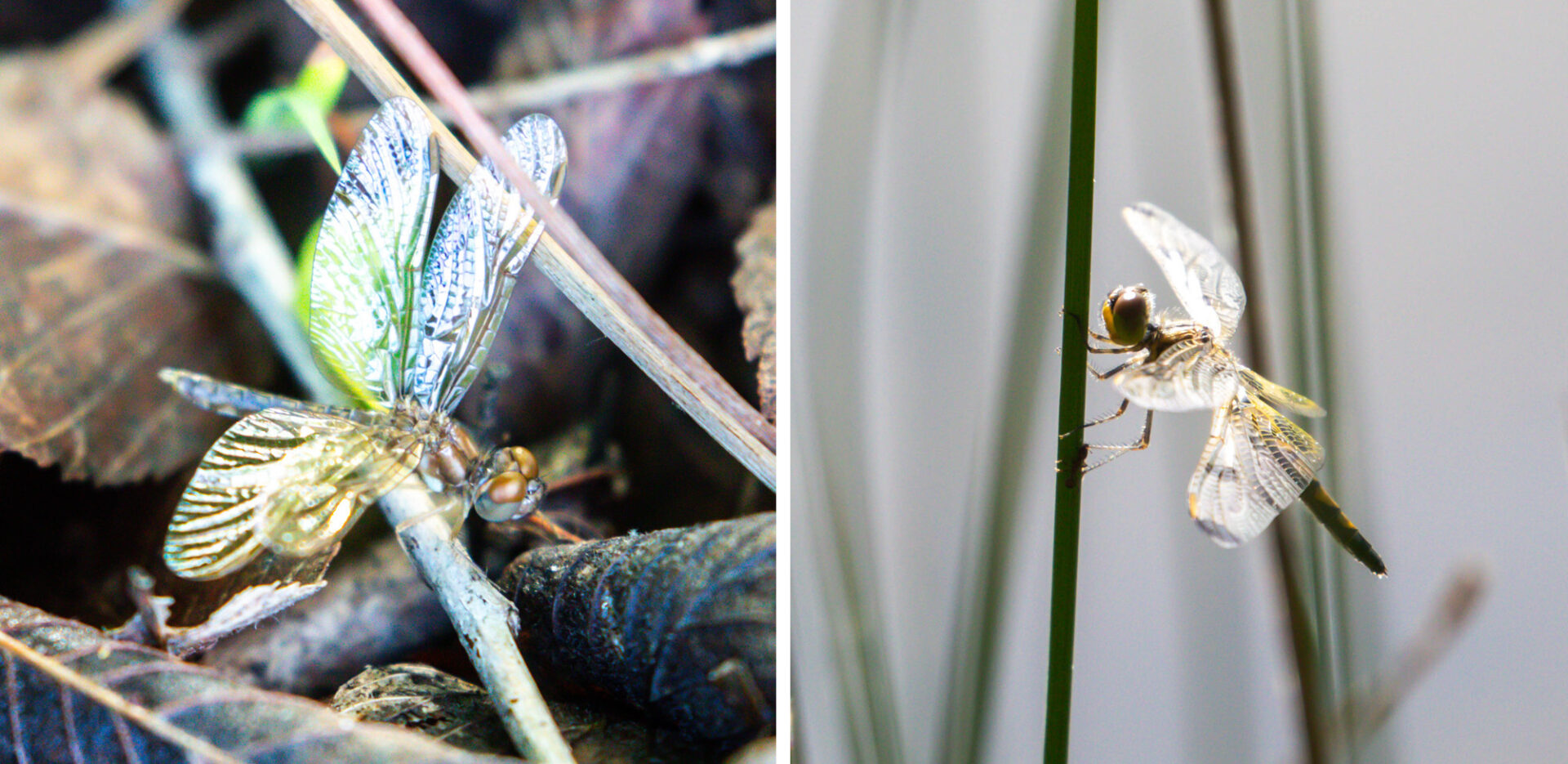
My main target here was warblers, but I was thrilled to encounter some dragonflies too. On the left, a freshly-emerged Eastern amberwing floated by on wings that looked barely dry, and on the right, a calico pennant sunned herself on some aquatic grass. I dare not speculate which kind.
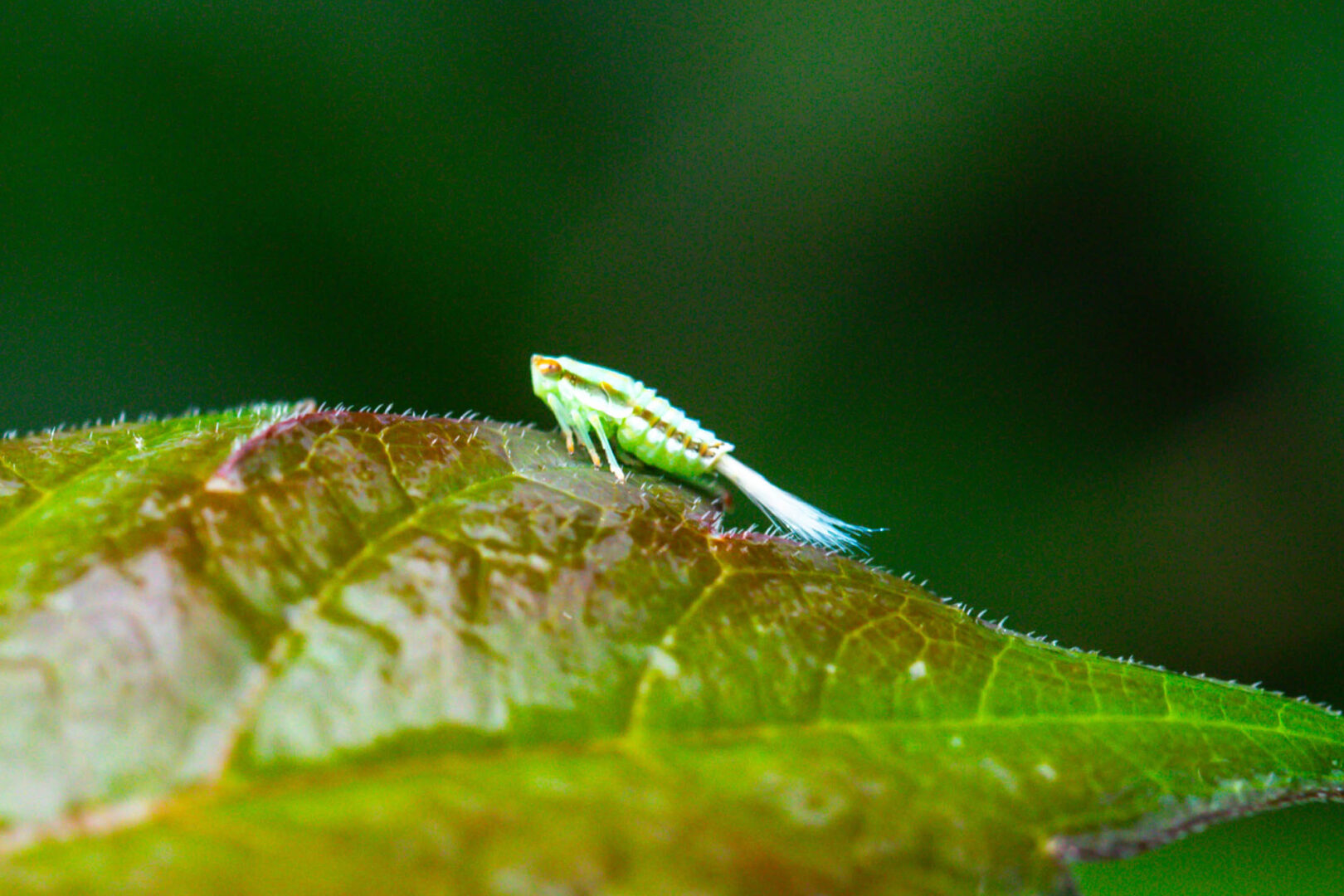
Then it was back to Overton, where we were hosting a CNC BioBlitz event. Fields, Malle, and I met up at the golf clubhouse and waited for a while, but eventually we realized it was going to be just us. (If there’s something we can do to make these events more appealing, please let us know! We would love for you to join the fun.) We headed out along the southern edge of the forest, where my heart was captured by this planthopper, Thionia quinquata. You may have noticed that it has a fiber optic installation coming out of its bum. Don’t worry, it has not had an embarrassing accident. These waxy fibers are present on lots of planthopper nymphs, and they both deter predators and help the bugs to land accurately when they jump. (If you want to learn more, watch this video. It will make you happy.)
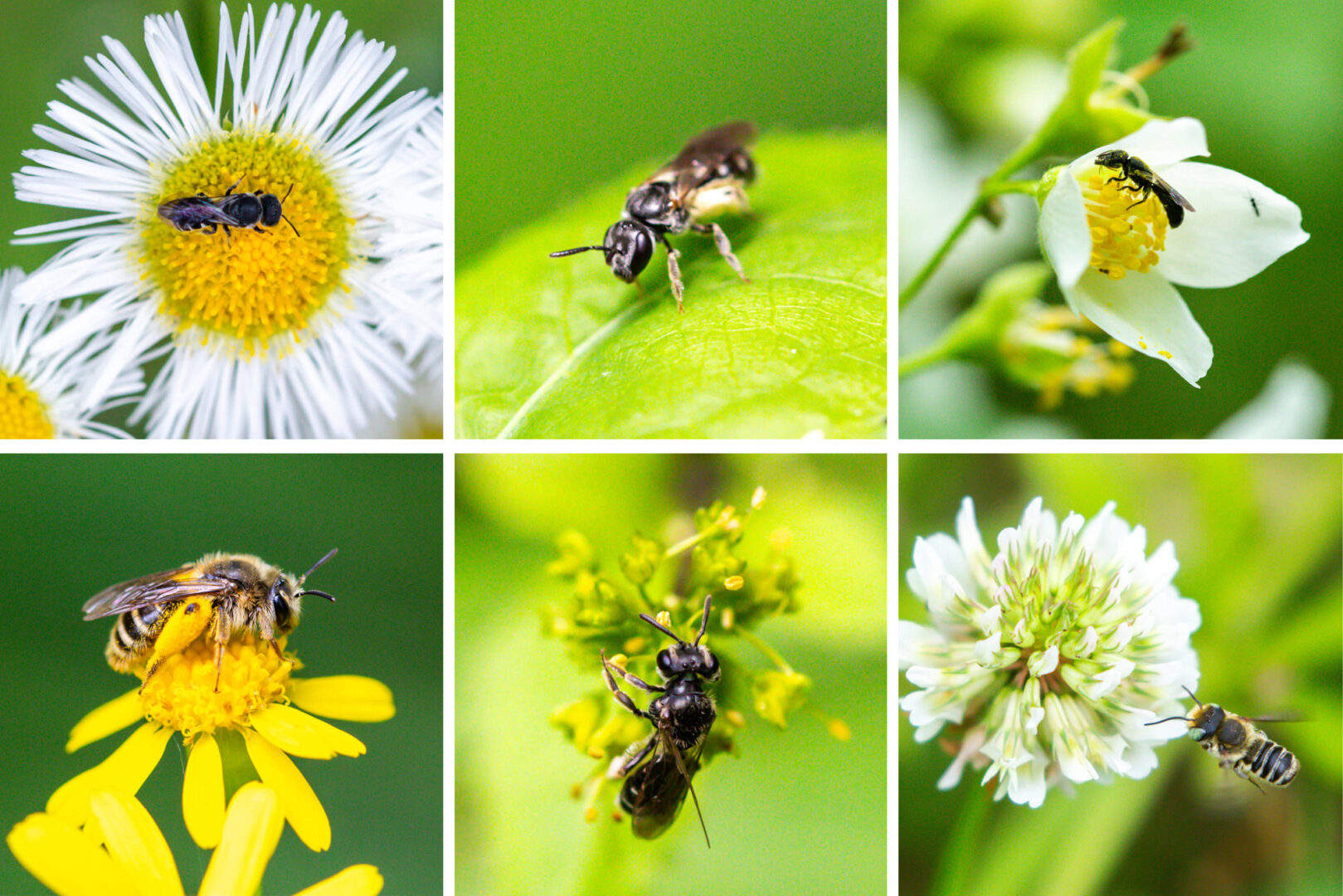
Mostly Overton was full of bees. So many bees! From the golf clubhouse through the woods and over to the southeast corner pollinator garden, we couldn’t get enough of them. Clockwise from left: Heriades sp. (little resin bees with their abdomens curled under), Lasioglossum sp. (sweat bees), a mock-orange scissor bee nectaring from–you guessed it–scentless mock orange, alfalfa leafcutter bee, Andrena sp. mining bee, and Andrena gardineri on butterweed.
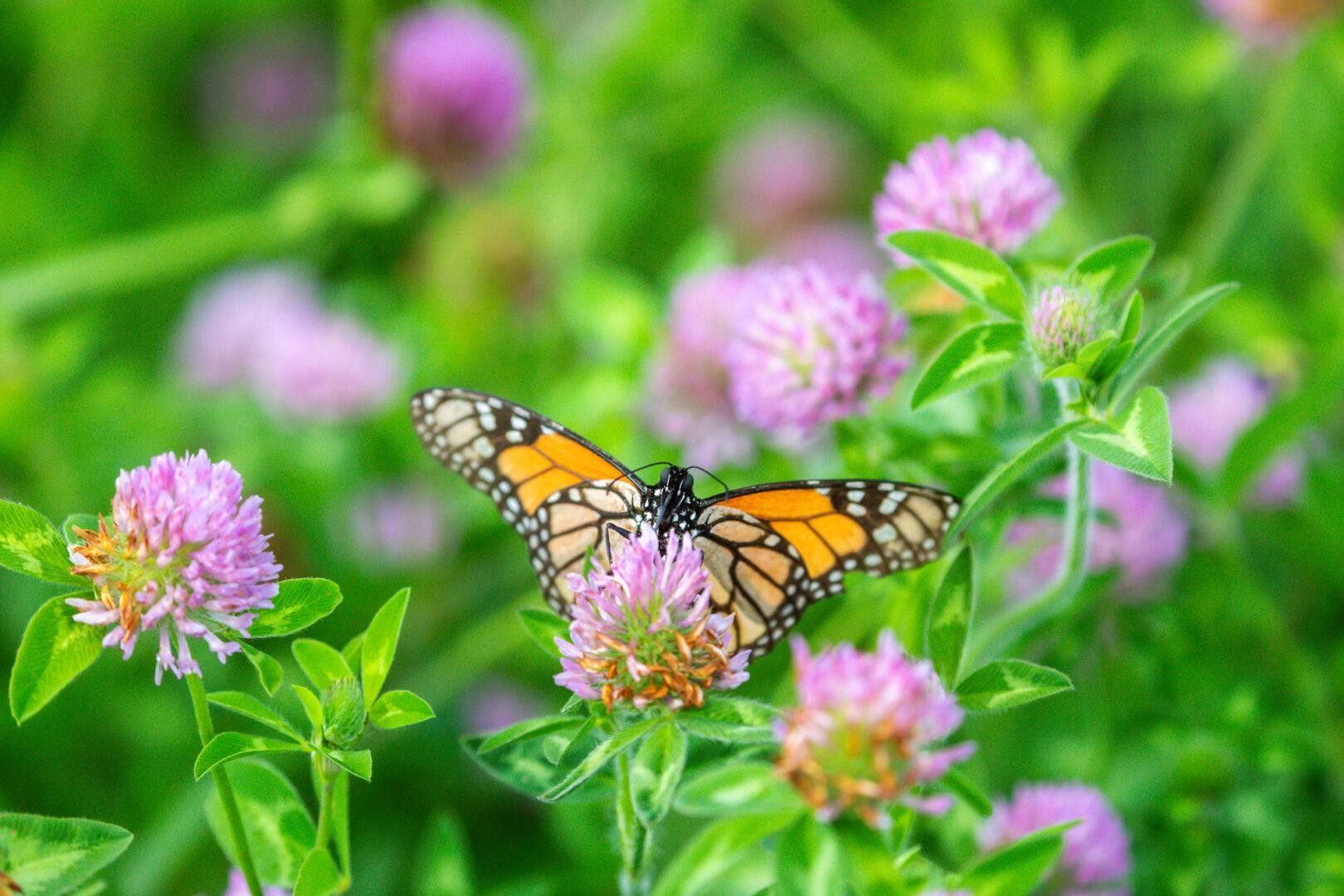
After lunch, I decided to spend the rest of the day at Meeman-Shelby Forest State Park, where I took a lot of bad pictures of birds. And grasses. I wound up at Poplar Tree Lake, where the adjacent hillsides were gloriously full of red clover. This monarch couldn’t get enough.
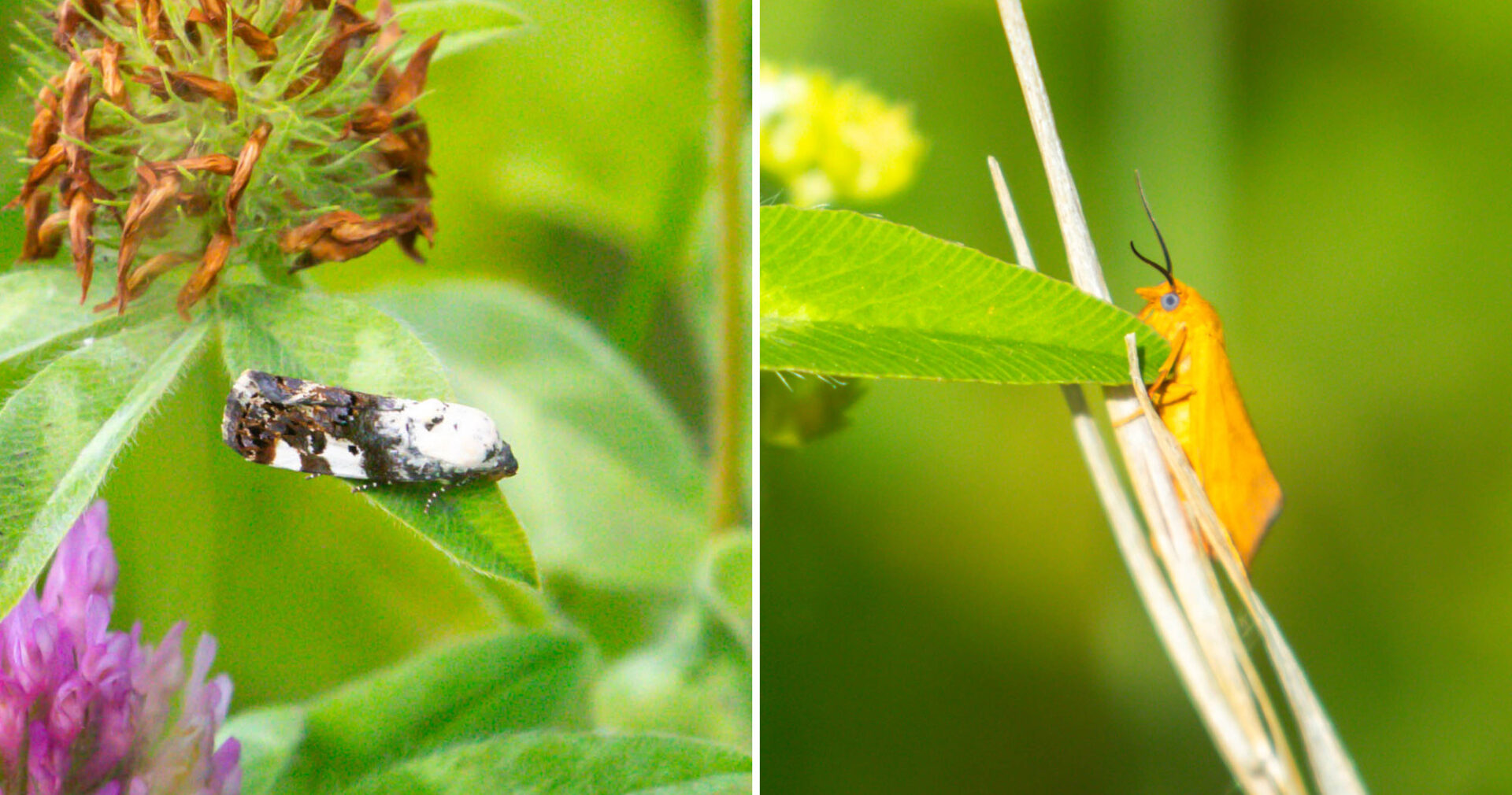
Amid all the nectaring butterflies, I kept my eyes peeled for moths. The exposed bird dropping moth tried very hard to blend in, while the orange virbia moth begged for attention.
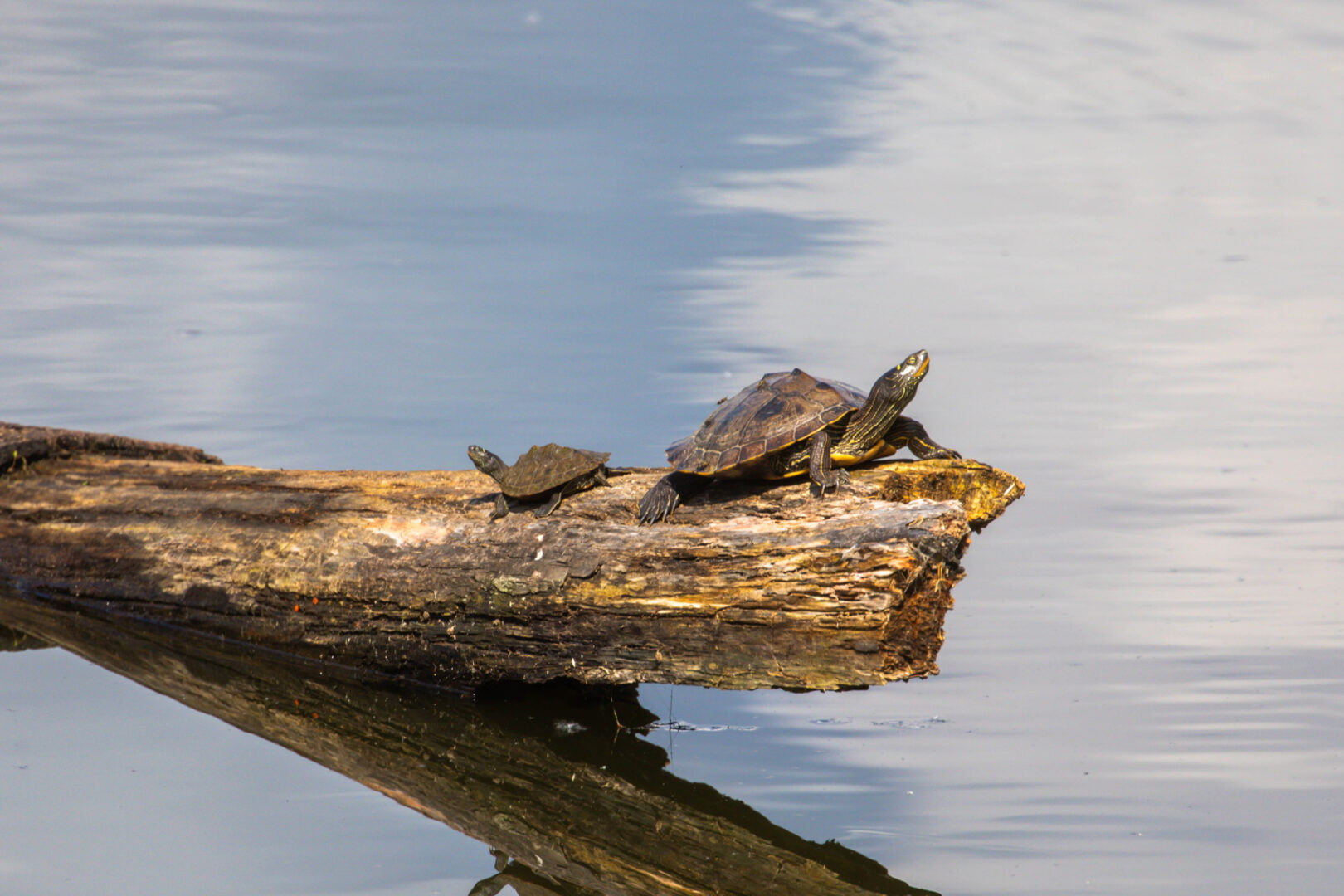
My pursuits were both watched and judged by these Northern false map turtles. I don’t think the adult likes me very much. Well, I think its mouth looks like an orange virbia moth, so we both have opinions.
Sunday, April 26
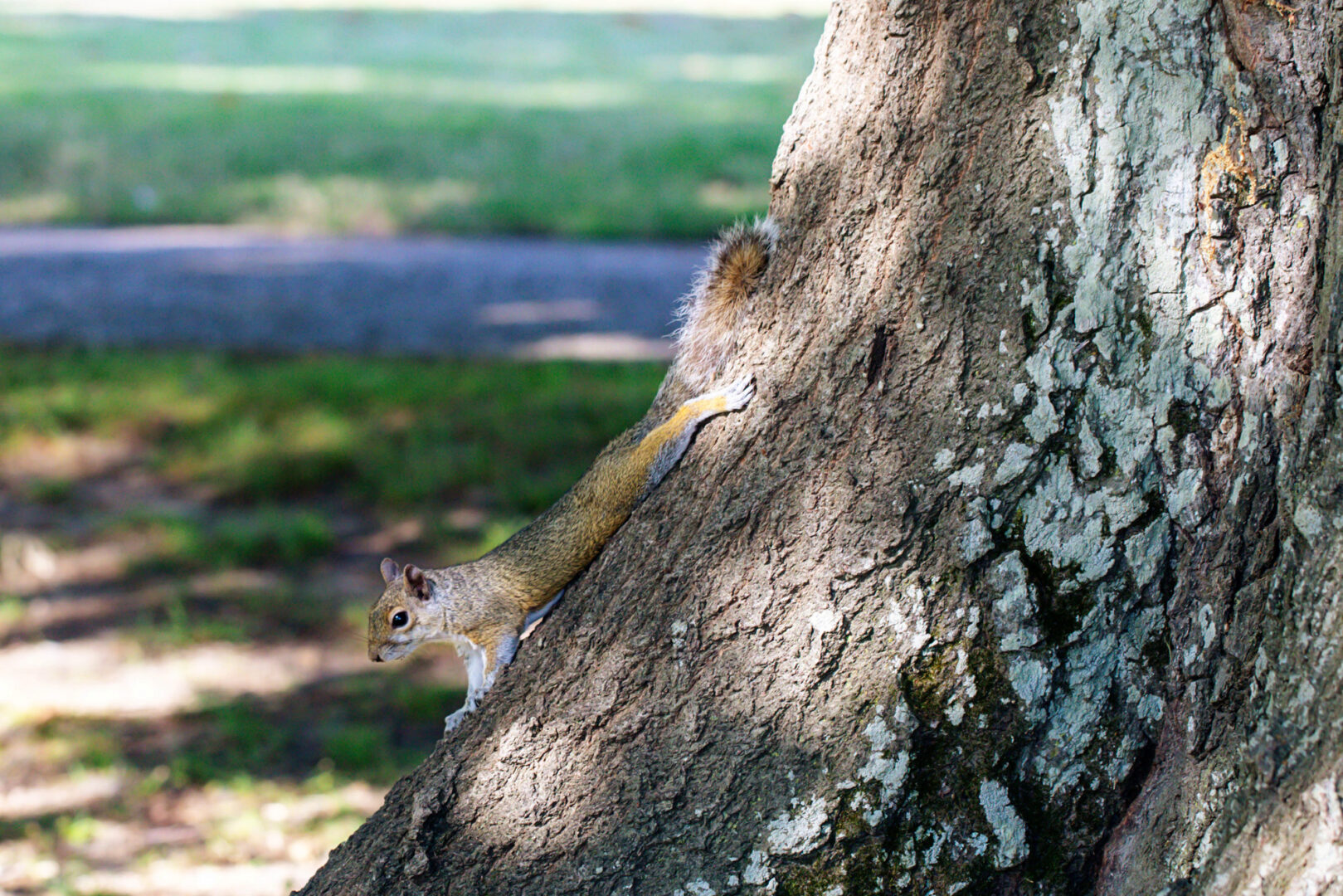
I had intended to make a Shelby Farms run for warblers before my 10:30 flight to Dallas, but I awoke feeling as though I’d (attempted to) run a marathon. I scrapped this plan and hit the snooze button. I wound up with enough time to run by the Overton Park formal gardens for 15 minutes, whereupon I met an Eastern gray squirrel who had about as much energy as I did.
I logged a mere six spottings in my bedraggled state. So yes, that 51-observation deficit to Nashville? I blame myself for not being a coffee drinker. My final Memphis tally for the year: 447 observations of 334 species. But I’ll always remember the 51 that got away…
Fast forward a few hours. I’ve found myself in Dallas, driving north toward the wedding, and I’ve got an hour to spare. McInnish Park’s Elm Fork Nature Preserve is on the way, so I might as well get on the board! This turns out to be good for my ego, because Dallas finished third in the City Nature Challenge. Please bask in the reflected glory of the bronze medal I earned by contributing 0.0034% of their total!
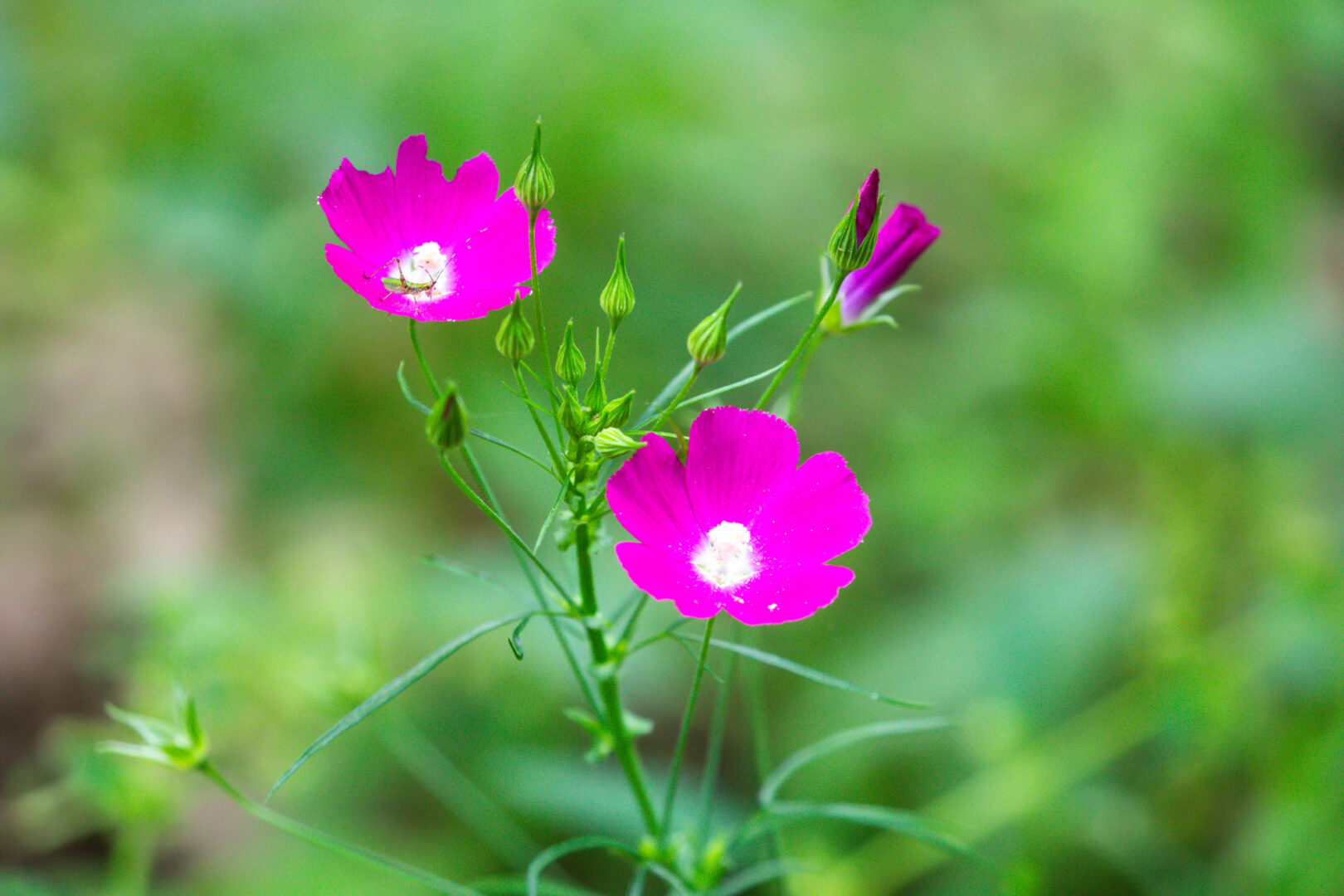
Most of our woodland wildflowers are relatively spent by late April, but in Texas they’re still going strong. I thought this tall poppymallow was brilliant (and it housed some katydids, so it made for two observations in one).
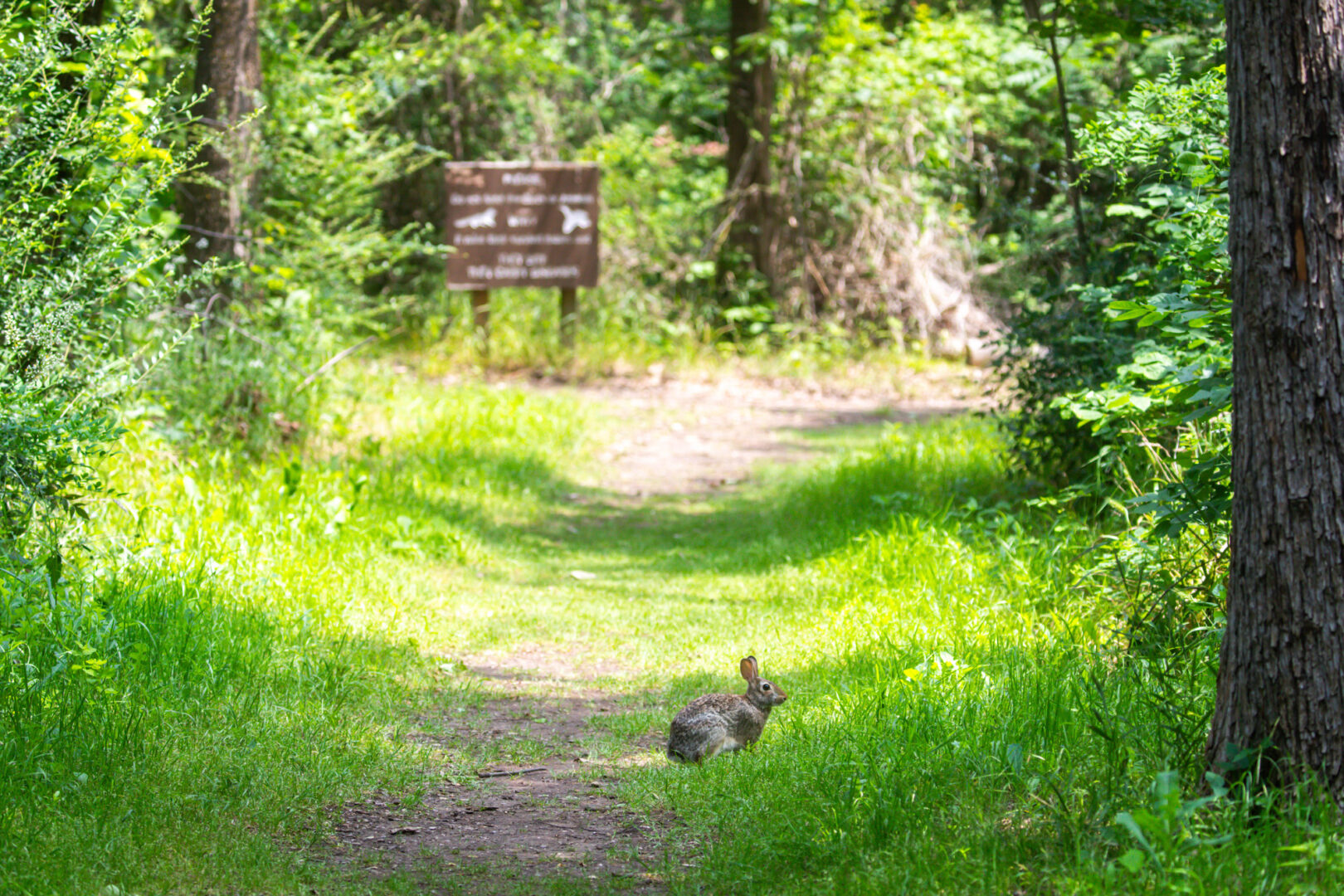
It’s not City Nature Challenge if I don’t log an Eastern cottontail.
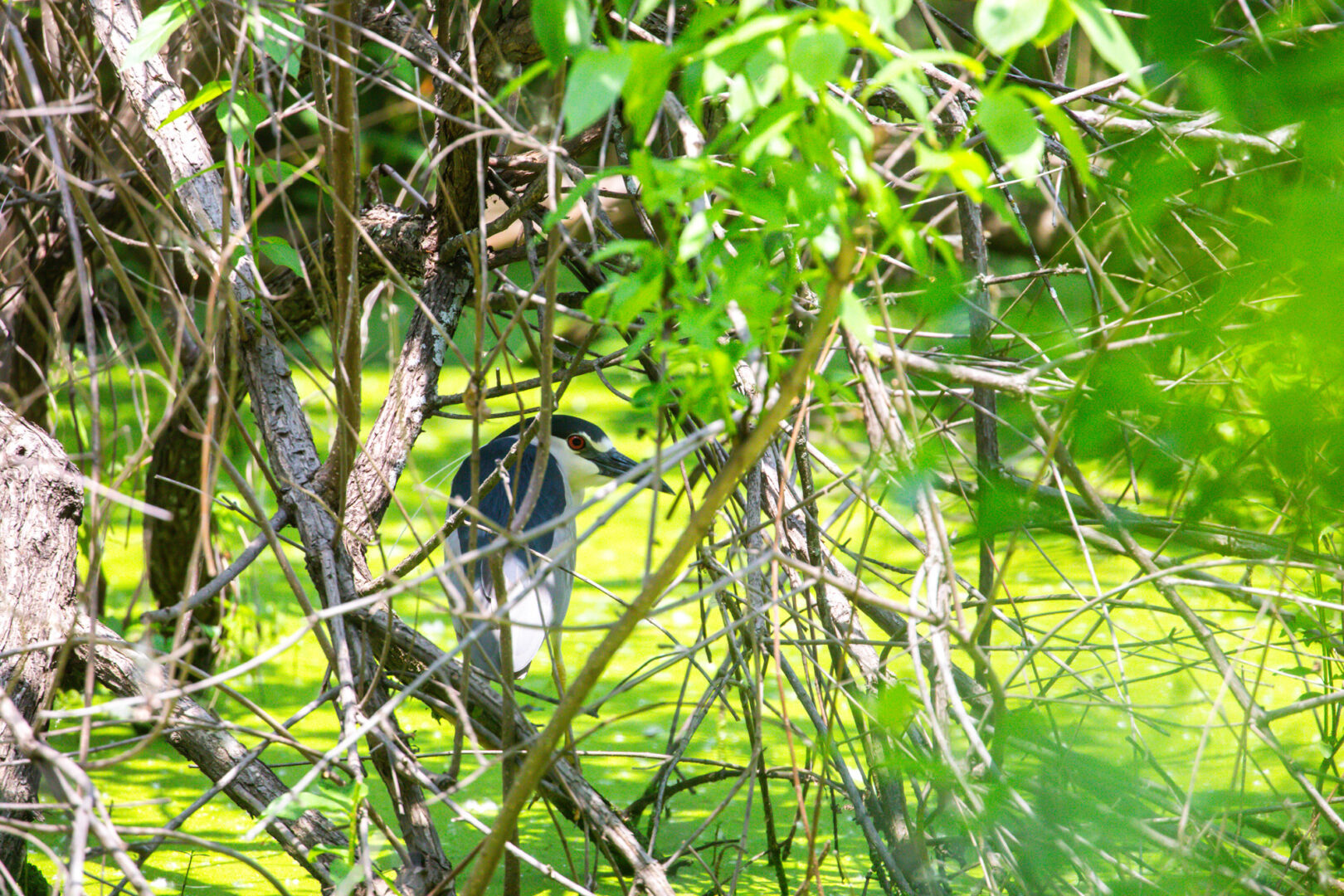
Here in Memphis, most of our herons are active during the day. Occasionally we get visits from yellow-crowned and black-crowned night herons, which spend the wee hours hunting for fish and frogs. During the day, they do this.
Monday, April 27
On Monday morning, I had a lovely breakfast with my family, and then they all headed back home while I pressed on with a four-hour drive to central Texas. I figured I would use the occasion to try to chase down two special birds that breed in the Texas Hill Country and don’t range far beyond that. They’re both notoriously hard to see because they hide in trees and shrubs with a lot of small sticks, so visiting when they’d be singing would hopefully help me find them. Bonus point: much of Balcones Canyonlands National Wildlife Refuge falls within the range of Austin’s City Nature Challenge boundary. That’s right, I also contributed 0.08% of observations to the city that finished #14! I hope Texas appreciates me.
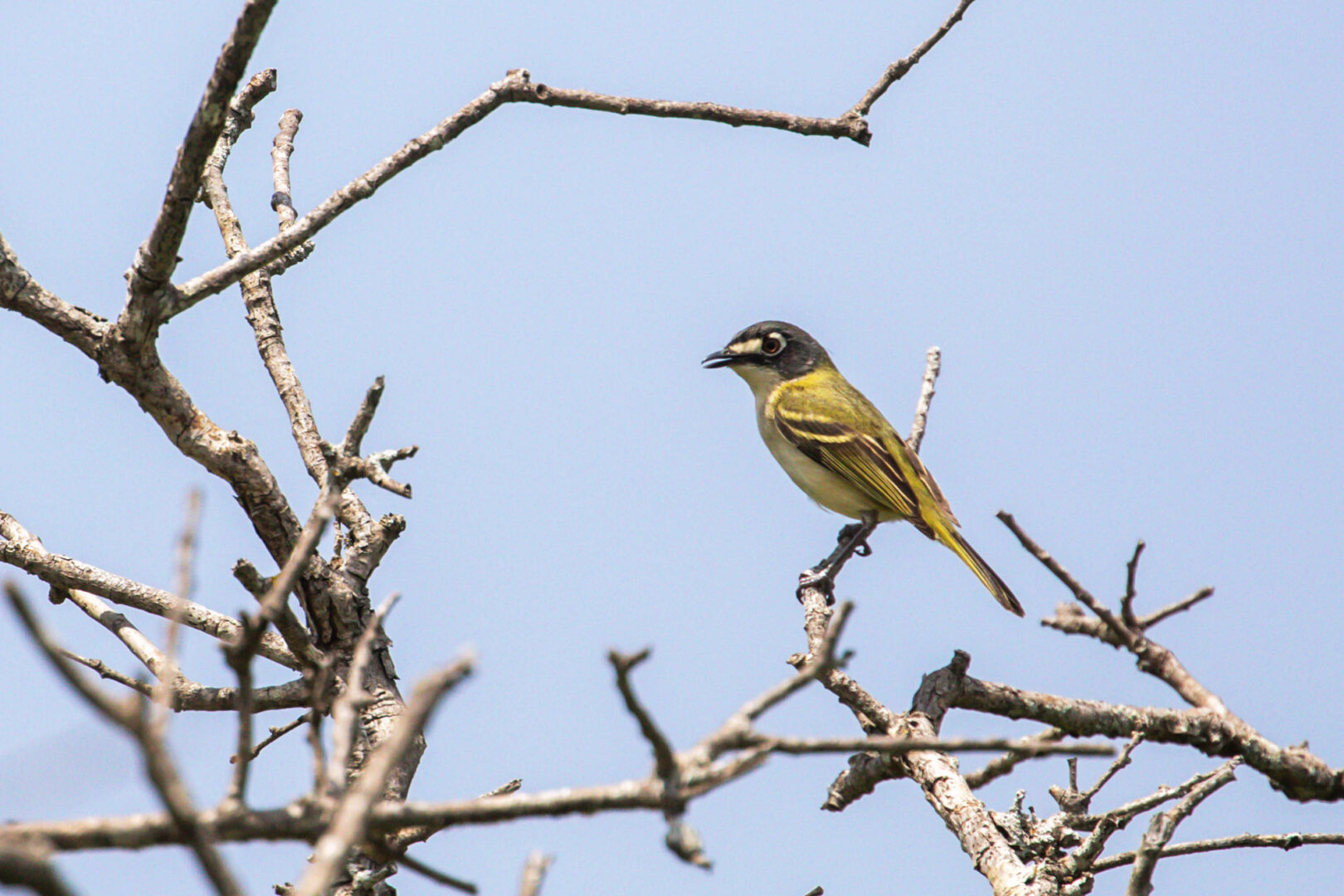
My first stop was a scrubby location preferred by black-capped vireos. Scrubby ≠ shady, and the temperature was over 90 degrees, so it was clear I would be suffering for this bird. I tore myself from the painted buntings and immediately saw a vireo dive into a bush. I looked for it for a few minutes and started feeling the pang of “what if that was my only chance?” Happily, these guys are relentless singers, and there were easily half a dozen males there, so it wasn’t long before I located one exploring out in the open. What a delightful bird. Vireos are already some of our most talented vocalists, but this species sings 10 times the amount of syllables as its cousins. One could be entertained all afternoon if there were only some shade.
After thoroughly appreciating the vireos, I headed south to a trail that’s known for the golden-cheeked warbler, an endangered bird similar to the black-throated green warblers that pass through Memphis during migration. They nest only in central Texas, because they need a mix of juniper and oak trees: the bark of mature Ashe junipers provides their nesting material, and the oaks house the insects the birds eat. I meandered along a trail that was mostly silent and quite dark from the shade of this mixture of trees. Luckily, the warbler kept me company via the trail markers.
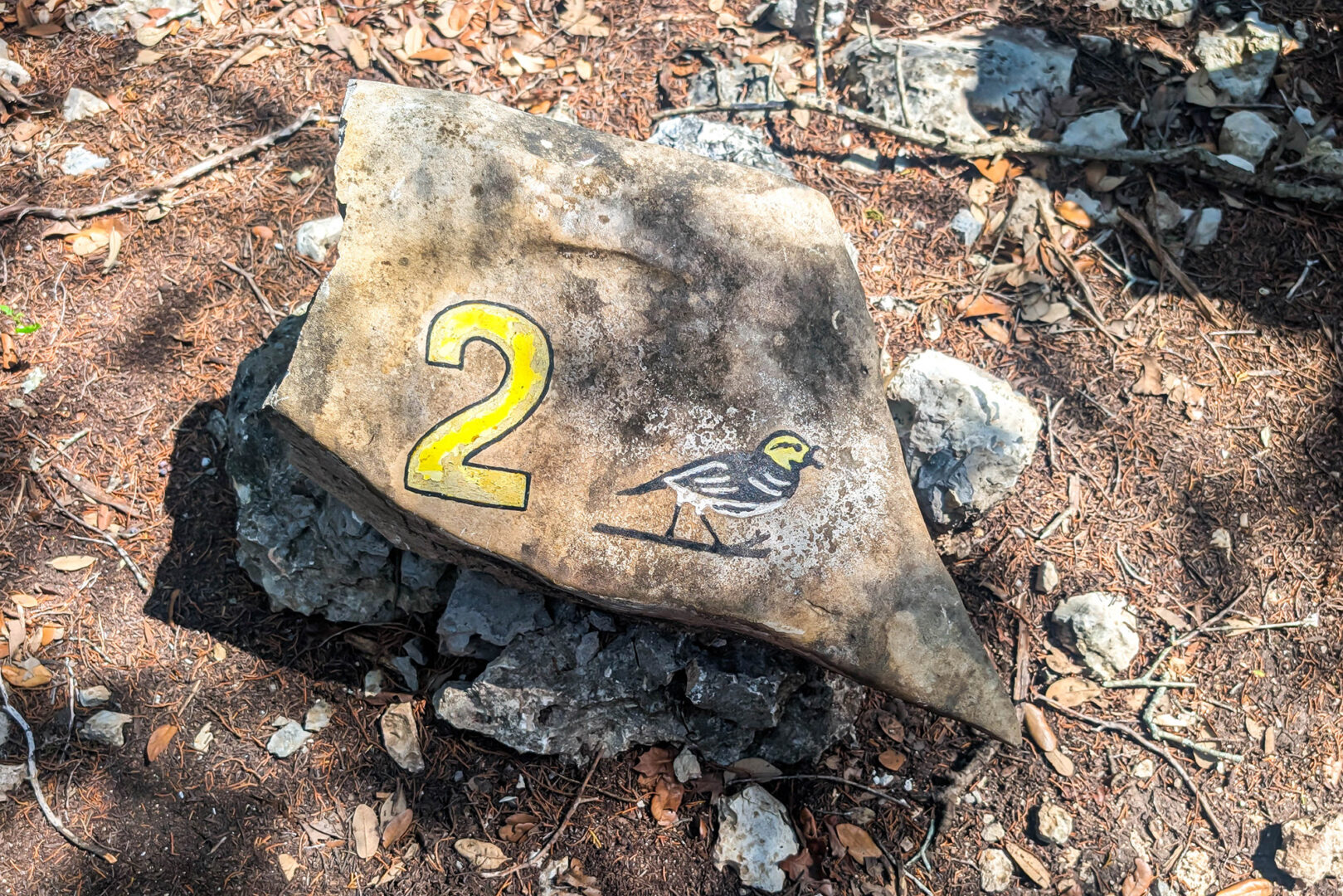
Eventually, I got up to a sunnier section, where I could see birds flitting between trees. A buzzy song started up…then another across the trail. Oh, I had them. They were everywhere!
…and that’s the end of the story. I chased these birds over hill and dale for the rest of the afternoon, and for another entire day, and I never saw one. I might have glimpsed a tail? It’s hard to see through a juniper. All I know is this song will haunt me in my dreams until I manage to get back to Texas in some future springtime. But not during City Nature Challenge, because I really need Memphis to move up the leaderboard. I hope you’ll join us next year!